OFFRE LISEUSES
Une liseuse achetée = une housse offerte* jusqu'au 21 juin

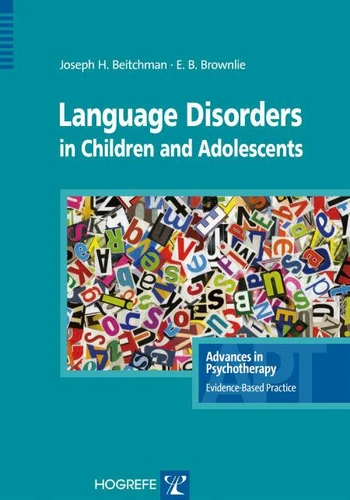
Language Disorders in Children and Adolescents
Par : ,Formats :
Disponible dans votre compte client Decitre ou Furet du Nord dès validation de votre commande. Le format PDF est :
- Compatible avec une lecture sur My Vivlio (smartphone, tablette, ordinateur)
- Compatible avec une lecture sur liseuses Vivlio
- Pour les liseuses autres que Vivlio, vous devez utiliser le logiciel Adobe Digital Edition. Non compatible avec la lecture sur les liseuses Kindle, Remarkable et Sony
 , qui est-ce ?
Notre partenaire de plateforme de lecture numérique où vous retrouverez l'ensemble de vos ebooks gratuitement
Pour en savoir plus sur nos ebooks, consultez notre aide en ligne ici
C'est si simple ! Lisez votre ebook avec l'app Vivlio sur votre tablette, mobile ou ordinateur :

- Nombre de pages136
- FormatPDF
- ISBN978-1-61676-338-1
- EAN9781616763381
- Date de parution10/10/2013
- Protection num.Digital Watermarking
- Taille2 Mo
- Infos supplémentairespdf
- ÉditeurHogrefe Publishing
Résumé
Language impairment in childhood and youth: presentation, diagnosis, assessment, and empirically validated treatmentAs many as half of children and adolescents presenting for mental health services have language impairments, often undiagnosed. This book offers a clear and comprehensive description of language impairment emerging in childhood and its implications for clinical practice with children and adolescents.
The book is filled with many clinical pearls and examples of the way language impairment impacts on the child's symptom picture and influences treatment. After discussing DSM-IV and the planned DSM-5 criteria, it then goes on to provide the reader with an easy-to-follow plan on how to conduct the assessment with the child and parents, and the steps to take in initiating treatment. Unique are the recommended modifications to empirically validated treatments for language-impaired children with comorbid anxiety or disruptive behavior disorders.
Anyone who works with children and adolescents will benefit from this book.
The book is filled with many clinical pearls and examples of the way language impairment impacts on the child's symptom picture and influences treatment. After discussing DSM-IV and the planned DSM-5 criteria, it then goes on to provide the reader with an easy-to-follow plan on how to conduct the assessment with the child and parents, and the steps to take in initiating treatment. Unique are the recommended modifications to empirically validated treatments for language-impaired children with comorbid anxiety or disruptive behavior disorders.
Anyone who works with children and adolescents will benefit from this book.