SOLDES
Jusqu'à -70% sur une sélection d'articles*

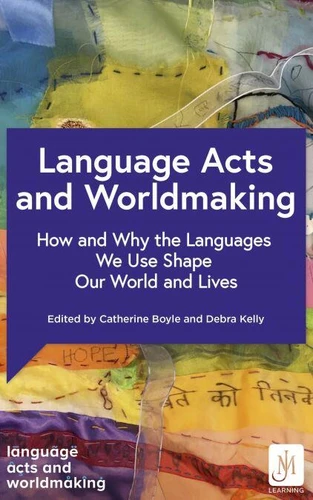
Language Acts and Worldmaking. How and Why the Languages We Use Shape Our World and Our Lives
Par :Formats :
Disponible dans votre compte client Decitre ou Furet du Nord dès validation de votre commande. Le format ePub protégé est :
- Compatible avec une lecture sur My Vivlio (smartphone, tablette, ordinateur)
- Compatible avec une lecture sur liseuses Vivlio
- Pour les liseuses autres que Vivlio, vous devez utiliser le logiciel Adobe Digital Edition. Non compatible avec la lecture sur les liseuses Kindle, Remarkable et Sony
- Non compatible avec un achat hors France métropolitaine
 , qui est-ce ?
Notre partenaire de plateforme de lecture numérique où vous retrouverez l'ensemble de vos ebooks gratuitement
Pour en savoir plus sur nos ebooks, consultez notre aide en ligne ici
C'est si simple ! Lisez votre ebook avec l'app Vivlio sur votre tablette, mobile ou ordinateur :

- Nombre de pages272
- FormatePub
- ISBN978-1-5293-7231-1
- EAN9781529372311
- Date de parution16/02/2022
- Protection num.Adobe DRM
- Infos supplémentairesepub
- ÉditeurJohn Murray Languages
Résumé
Collectively authored by the Language Acts and Worldmaking team, this defining volume offers reflective narratives on research, theory and practice over the course of the flagship project of the same name, funded by the Arts and Humanities Research Council's Open World Research Initiative. It returns to the project's key principles - that our words make worlds and we are agents in worldmaking - analyses the practices and outcomes of collaborative working, and looks to the future by offering concrete ideas for how the work they have done can now continue to do its work in the world.
Focusing on the key research strands, this volume looks at the role of the language teacher as a mediator between languages and cultures, worldmaking in modern languages, translation and the imagination, languages and hospitality, digital mediations, and how words change and make worlds. Critically, it analyses the impact on communities of living in multilingual cities, and the ways in which learning a first language, and then a second, and so on, plays a crucial role in our ability to understand our culture in relation to others and to appreciate the ways in which they are intertwined.
Specific aims are to: · propose new ways of bridging the gaps between those who teach and research languages and those who learn and use them in everyday contexts from the professional to the personal · put research into the hands of wider audiences · share a philosophy, policy and practice of language teaching and learning which turns research into action · provide the research, experience and data to enable informed debates on current issues and attitudes in language learning, teaching and research · share knowledge across and within all levels and experiences of language learning and teaching · showcase exciting new work that derives from different types of community activity and is of practical relevance to its audiences · disseminate new research in languages that engages with diverse communities of language practitioners.
Focusing on the key research strands, this volume looks at the role of the language teacher as a mediator between languages and cultures, worldmaking in modern languages, translation and the imagination, languages and hospitality, digital mediations, and how words change and make worlds. Critically, it analyses the impact on communities of living in multilingual cities, and the ways in which learning a first language, and then a second, and so on, plays a crucial role in our ability to understand our culture in relation to others and to appreciate the ways in which they are intertwined.
Specific aims are to: · propose new ways of bridging the gaps between those who teach and research languages and those who learn and use them in everyday contexts from the professional to the personal · put research into the hands of wider audiences · share a philosophy, policy and practice of language teaching and learning which turns research into action · provide the research, experience and data to enable informed debates on current issues and attitudes in language learning, teaching and research · share knowledge across and within all levels and experiences of language learning and teaching · showcase exciting new work that derives from different types of community activity and is of practical relevance to its audiences · disseminate new research in languages that engages with diverse communities of language practitioners.
A propos de Various

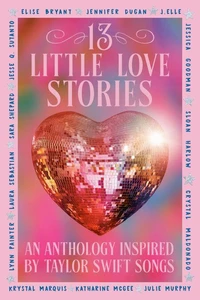
13 little love stories
E-book
9,99 €

19,61 €


0,99 €

Hello Darkness #22
E-book
4,90 €
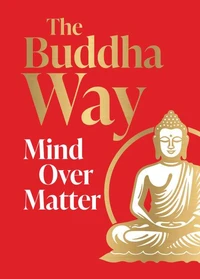
The Buddha Way
E-book
2,93 €

Stoic Secrets
E-book
2,93 €

3,49 €


4,49 €

Hello Darkness #21
E-book
5,88 €

Hello Body Horror #1
E-book
5,88 €

Lumberjanes Book Four
E-book
19,61 €

Hello Darkness #20
E-book
5,88 €

50,03 €