La mare eterna by Ignasi Iglesias is a play written in the early 20th century. Set in a prosperous farmhouse in the Vallès, it explores the pull between religious duty and earthly love as the seminarian Gabriel wavers between a promise to his late mother and his growing feelings for his cousin Marió. The poet Florenci, a frail guest from the city enamored of rural life, champions vitality, art, and freedom, unsettling the devout farmer Andreu and inspiring the hired hands.
The drama promises a collision of piety, passion, and nature's call within a vividly rendered agrarian world. At the start of the play, Marió and her uncle Andreu prepare supper and worry about Florenci's sway over Gabriel; after Gabriel and Florenci return from the fields, the farmhands join, and while Andreu leads prayers, Florenci quietly recites his stirring "Cant de Juny, " enchanting the workers and so moving Gabriel that he drops his breviary.
The next morning Florenci coaxes Marió's feelings into view, and Gabriel-now in secular clothes-confides to Florenci that he lacks vocation and loves Marió; urged to choose life, he decides to tell his father. When the hands bustle off to cook a rustic snack (and beg Florenci for more verses), Gabriel declares his love to Marió; she resists out of duty and fear of censure but is clearly touched, leaving him a kissed flower as she withdraws in tears.
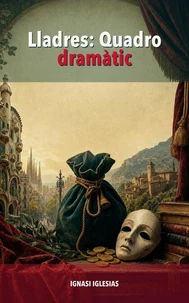
The opening closes with Gabriel torn yet newly resolute, alone as the others depart. This Catalan-language digital edition is prepared with active navigation, clean typography, a custom cover and a reading file stripped of source-site notices, donation text and unnecessary external links.
La mare eterna by Ignasi Iglesias is a play written in the early 20th century. Set in a prosperous farmhouse in the Vallès, it explores the pull between religious duty and earthly love as the seminarian Gabriel wavers between a promise to his late mother and his growing feelings for his cousin Marió. The poet Florenci, a frail guest from the city enamored of rural life, champions vitality, art, and freedom, unsettling the devout farmer Andreu and inspiring the hired hands.
The drama promises a collision of piety, passion, and nature's call within a vividly rendered agrarian world. At the start of the play, Marió and her uncle Andreu prepare supper and worry about Florenci's sway over Gabriel; after Gabriel and Florenci return from the fields, the farmhands join, and while Andreu leads prayers, Florenci quietly recites his stirring "Cant de Juny, " enchanting the workers and so moving Gabriel that he drops his breviary.
The next morning Florenci coaxes Marió's feelings into view, and Gabriel-now in secular clothes-confides to Florenci that he lacks vocation and loves Marió; urged to choose life, he decides to tell his father. When the hands bustle off to cook a rustic snack (and beg Florenci for more verses), Gabriel declares his love to Marió; she resists out of duty and fear of censure but is clearly touched, leaving him a kissed flower as she withdraws in tears.
The opening closes with Gabriel torn yet newly resolute, alone as the others depart. This Catalan-language digital edition is prepared with active navigation, clean typography, a custom cover and a reading file stripped of source-site notices, donation text and unnecessary external links.
 , qui est-ce ?