SOLDES
Jusqu'à -70% sur une sélection d'articles*

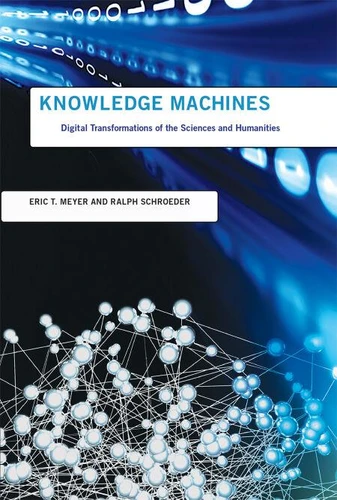
Knowledge Machines. Digital Transformations of the Sciences and Humanities
Par : ,Formats :
Disponible dans votre compte client Decitre ou Furet du Nord dès validation de votre commande. Le format ePub protégé est :
- Compatible avec une lecture sur My Vivlio (smartphone, tablette, ordinateur)
- Compatible avec une lecture sur liseuses Vivlio
- Pour les liseuses autres que Vivlio, vous devez utiliser le logiciel Adobe Digital Edition. Non compatible avec la lecture sur les liseuses Kindle, Remarkable et Sony
- Non compatible avec un achat hors France métropolitaine
 , qui est-ce ?
Notre partenaire de plateforme de lecture numérique où vous retrouverez l'ensemble de vos ebooks gratuitement
Pour en savoir plus sur nos ebooks, consultez notre aide en ligne ici
C'est si simple ! Lisez votre ebook avec l'app Vivlio sur votre tablette, mobile ou ordinateur :

- Nombre de pages288
- FormatePub
- ISBN978-0-262-32819-7
- EAN9780262328197
- Date de parution17/04/2015
- Protection num.Adobe DRM
- Taille3 Mo
- Infos supplémentairesepub
- ÉditeurThe MIT Press
Résumé
An examination of the ways that digital and networked technologies have fundamentally changed research practices in disciplines from astronomy to literary analysis. In Knowledge Machines, Eric Meyer and Ralph Schroeder argue that digital technologies have fundamentally changed research practices in the sciences, social sciences, and humanities. Meyer and Schroeder show that digital tools and data, used collectively and in distributed mode-which they term e-research-have transformed not just the consumption of knowledge but also the production of knowledge.
Digital technologies for research are reshaping how knowledge advances in disciplines that range from physics to literary analysis. Meyer and Schroeder map the rise of digital research and offer case studies from many fields, including biomedicine, social science uses of the Web, astronomy, and large-scale textual analysis in the humanities. They consider such topics as the challenges of sharing research data and of big data approaches, disciplinary differences and new forms of interdisciplinary collaboration, the shifting boundaries between researchers and their publics, and the ways that digital tools promote openness in science.
This book considers the transformations of research from a number of perspectives, drawing especially on the sociology of science and technology and social informatics. It shows that the use of digital tools and data is not just a technical issue; it affects research practices, collaboration models, publishing choices, and even the kinds of research and research questions scholars choose to pursue.
Knowledge Machines examines the nature and implications of these transformations for scholarly research.
Digital technologies for research are reshaping how knowledge advances in disciplines that range from physics to literary analysis. Meyer and Schroeder map the rise of digital research and offer case studies from many fields, including biomedicine, social science uses of the Web, astronomy, and large-scale textual analysis in the humanities. They consider such topics as the challenges of sharing research data and of big data approaches, disciplinary differences and new forms of interdisciplinary collaboration, the shifting boundaries between researchers and their publics, and the ways that digital tools promote openness in science.
This book considers the transformations of research from a number of perspectives, drawing especially on the sociology of science and technology and social informatics. It shows that the use of digital tools and data is not just a technical issue; it affects research practices, collaboration models, publishing choices, and even the kinds of research and research questions scholars choose to pursue.
Knowledge Machines examines the nature and implications of these transformations for scholarly research.