SOLDES
Jusqu'à -70% sur une sélection d'articles*

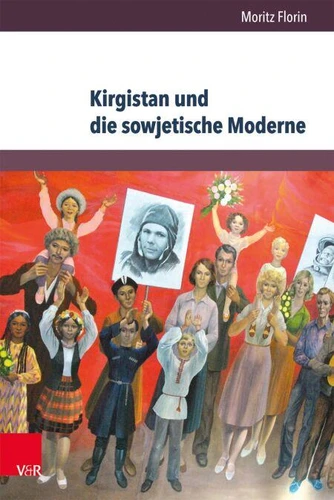
Kirgistan und die sowjetische Moderne. 1941–1991
Par :Formats :
Disponible dans votre compte client Decitre ou Furet du Nord dès validation de votre commande. Le format PDF est :
- Compatible avec une lecture sur My Vivlio (smartphone, tablette, ordinateur)
- Compatible avec une lecture sur liseuses Vivlio
- Pour les liseuses autres que Vivlio, vous devez utiliser le logiciel Adobe Digital Edition. Non compatible avec la lecture sur les liseuses Kindle, Remarkable et Sony
 , qui est-ce ?
Notre partenaire de plateforme de lecture numérique où vous retrouverez l'ensemble de vos ebooks gratuitement
Pour en savoir plus sur nos ebooks, consultez notre aide en ligne ici
C'est si simple ! Lisez votre ebook avec l'app Vivlio sur votre tablette, mobile ou ordinateur :

- Nombre de pages309
- FormatPDF
- ISBN978-3-8470-0313-7
- EAN9783847003137
- Date de parution10/12/2014
- Protection num.pas de protection
- Taille4 Mo
- Infos supplémentairespdf
- ÉditeurV&R Unipress
Résumé
The Soviet state promised its citizens liberation from the shackles of an outmoded past. Soviet modernism after 1945 even found enthusiastic followers on the Central Asian periphery. But from the 1960s at the latest public criticism grew loud. A small group of intellectuals around Chinghiz Aitmatov criticized the decay of traditions, the repression of Islam and the increasing environmental destruction.
This triggered a gradual process of delegitimisation of Soviet rule. The volume analyses this process, using the example of the Soviet Republic of Kyrgyzstan, ranking it alongside global historical contexts of decolonisation, Cold War and a growing criticism of modernism.
This triggered a gradual process of delegitimisation of Soviet rule. The volume analyses this process, using the example of the Soviet Republic of Kyrgyzstan, ranking it alongside global historical contexts of decolonisation, Cold War and a growing criticism of modernism.