SOLDES
Jusqu'à -70% sur une sélection d'articles*

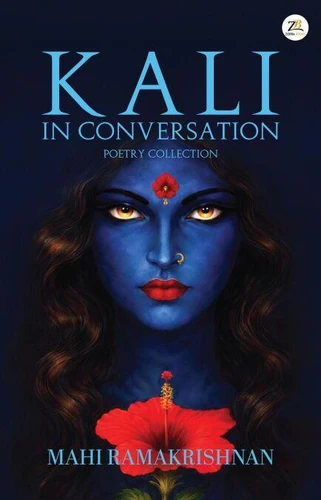
Kali, in Conversation - A Collection of 30 Prose Poems
Par :Formats :
Disponible dans votre compte client Decitre ou Furet du Nord dès validation de votre commande. Le format ePub est :
- Compatible avec une lecture sur My Vivlio (smartphone, tablette, ordinateur)
- Compatible avec une lecture sur liseuses Vivlio
- Pour les liseuses autres que Vivlio, vous devez utiliser le logiciel Adobe Digital Edition. Non compatible avec la lecture sur les liseuses Kindle, Remarkable et Sony
 , qui est-ce ?
Notre partenaire de plateforme de lecture numérique où vous retrouverez l'ensemble de vos ebooks gratuitement
Pour en savoir plus sur nos ebooks, consultez notre aide en ligne ici
C'est si simple ! Lisez votre ebook avec l'app Vivlio sur votre tablette, mobile ou ordinateur :

- FormatePub
- ISBN978-93-5896-303-8
- EAN9789358963038
- Date de parution06/03/2026
- Protection num.pas de protection
- Infos supplémentairesepub
- ÉditeurZorba Books
Résumé
Kali, In Conversation reimagines Kali not as a distant deity, but as a living presence-fierce, intimate, and unafraid of ruin. In these powerful poems, Kali becomes both witness and weapon, a language through which the unspeakable finds form. Drawing on decades of work alongside survivors of war, forced displacement, and conflict-related sexual violence, Mahi Ramakrishnan refuses to sanitize suffering.
Kali's many arms, tongue, and eyes become extensions of fractured selves-bodies marked by memory, survival, and resistance. She appears not only in temples, but in kitchens, hospital corridors, border crossings, and narrow alleys where silence has long been enforced. These poems move through wreckage and return, carrying histories that institutions and states often attempt to erase. They insist that rage can be moral clarity, grief can be testimony, and survival is not submission.
This is not devotional poetry. It does not offer comfort. It does not resolve easily. It bears witness.
Kali's many arms, tongue, and eyes become extensions of fractured selves-bodies marked by memory, survival, and resistance. She appears not only in temples, but in kitchens, hospital corridors, border crossings, and narrow alleys where silence has long been enforced. These poems move through wreckage and return, carrying histories that institutions and states often attempt to erase. They insist that rage can be moral clarity, grief can be testimony, and survival is not submission.
This is not devotional poetry. It does not offer comfort. It does not resolve easily. It bears witness.