OFFRE LISEUSES
Une liseuse achetée = une housse offerte* jusqu'au 21 juin

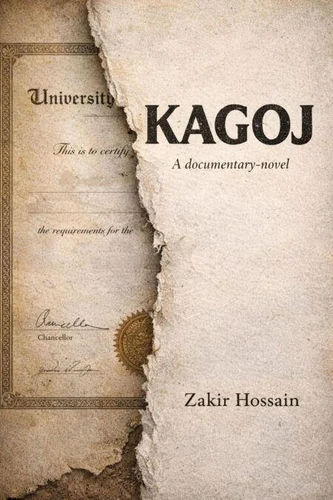
Kagoj
Par :Formats :
Disponible dans votre compte client Decitre ou Furet du Nord dès validation de votre commande. Le format ePub est :
- Compatible avec une lecture sur My Vivlio (smartphone, tablette, ordinateur)
- Compatible avec une lecture sur liseuses Vivlio
- Pour les liseuses autres que Vivlio, vous devez utiliser le logiciel Adobe Digital Edition. Non compatible avec la lecture sur les liseuses Kindle, Remarkable et Sony
 , qui est-ce ?
Notre partenaire de plateforme de lecture numérique où vous retrouverez l'ensemble de vos ebooks gratuitement
Pour en savoir plus sur nos ebooks, consultez notre aide en ligne ici
C'est si simple ! Lisez votre ebook avec l'app Vivlio sur votre tablette, mobile ou ordinateur :

- FormatePub
- ISBN8233961373
- EAN9798233961373
- Date de parution25/01/2026
- Protection num.pas de protection
- Infos supplémentairesepub
- ÉditeurLinda Balsamo
Résumé
Kagoj-paper-is what they were told would save them. In a rural corner of Bangladesh, education arrives as a promise: study hard, pass the exams, earn the certificate, escape poverty. Parents sell land, animals, sleep, and dignity so their children can hold that fragile piece of paper in their hands. Teachers repeat the rules. Schools enforce obedience. The system insists merit is enough. It isn't. Written as a documentary-novel, Kagoj follows a generation of boys and girls whose lives unfold inside classrooms, ponds, villages, and examination halls-where hope is carefully taught, and quietly betrayed.
Through intimate scenes and lived detail, the book traces how institutions shape children long before they understand the cost, and how failure is often misnamed as personal weakness rather than structural injustice. This is not a story of laziness or bad choices. It is a record of effort, sacrifice, and belief-and what happens when belief collides with reality. Carried for over twenty-two years, Kagoj bears witness to the emotional and moral aftermath of an education system that promises dignity but delivers disappointment.
Blending memory, observation, and reportage-like restraint, it stands between fiction and testimony. Kagoj is for readers who want to understand not just what education offers-but what it takes away.
Through intimate scenes and lived detail, the book traces how institutions shape children long before they understand the cost, and how failure is often misnamed as personal weakness rather than structural injustice. This is not a story of laziness or bad choices. It is a record of effort, sacrifice, and belief-and what happens when belief collides with reality. Carried for over twenty-two years, Kagoj bears witness to the emotional and moral aftermath of an education system that promises dignity but delivers disappointment.
Blending memory, observation, and reportage-like restraint, it stands between fiction and testimony. Kagoj is for readers who want to understand not just what education offers-but what it takes away.
A propos de Zakir Hossain

2,99 €
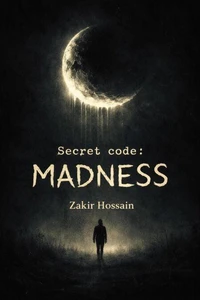
Secret code: Madness
E-book
2,99 €

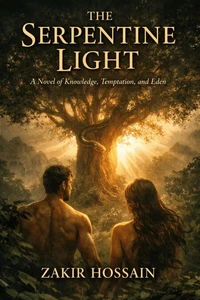
The Serpentine Light
E-book
2,99 €
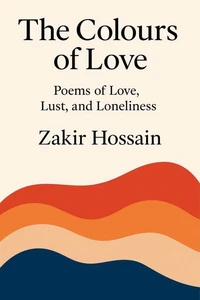
The Colours of Love
E-book
2,99 €
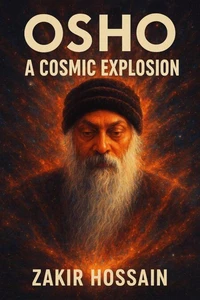
Osho
E-book
4,49 €
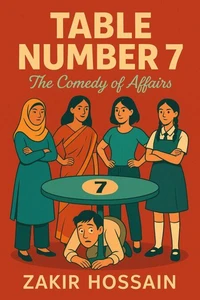
Table Number 7
E-book
2,99 €
Notes from Overground
E-book
4,49 €
5,49 €

God is the Prison
E-book
3,49 €