SOLDES
Jusqu'à -70% sur une sélection d'articles*

Nouveauté
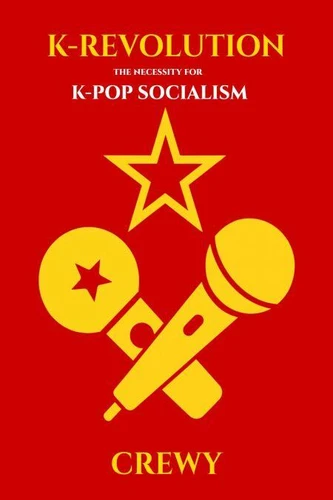
K-Revolution: The Necessity for K-Pop Socialism
Par :Formats :
Disponible dans votre compte client Decitre ou Furet du Nord dès validation de votre commande. Le format ePub est :
- Compatible avec une lecture sur My Vivlio (smartphone, tablette, ordinateur)
- Compatible avec une lecture sur liseuses Vivlio
- Pour les liseuses autres que Vivlio, vous devez utiliser le logiciel Adobe Digital Edition. Non compatible avec la lecture sur les liseuses Kindle, Remarkable et Sony
 , qui est-ce ?
Notre partenaire de plateforme de lecture numérique où vous retrouverez l'ensemble de vos ebooks gratuitement
Pour en savoir plus sur nos ebooks, consultez notre aide en ligne ici
C'est si simple ! Lisez votre ebook avec l'app Vivlio sur votre tablette, mobile ou ordinateur :

- FormatePub
- ISBN8235333802
- EAN9798235333802
- Date de parution22/06/2026
- Protection num.pas de protection
- Infos supplémentairesepub
- ÉditeurIoakim Ioakim
Résumé
Are you a K-pop fan? If you are, you probably have always asked yourself: "Why does the K-pop industry treat its artists so horribly?" or "How can the K-pop industry become a better environment and career option for aspiring artists?" This book answers both of those questions with resounding detail:1. Through an established Marxist framework applied to the K-pop industry, this book aims to demystify its foundational mechanisms, how they interact with each other, and how they impact K-pop idols, fans, and the entertainment agencies.
If the reader wishes to understand why certain aspects of K-pop are as they are, this analysis will offer a valuable perspective they have not considered before. 2. Using the results of the economic, social, and political analysis from (1), this book proposes a fundamental restructuring of the K-pop industry through the means of uprising. The outcome will be a new K-pop system, based on equity, fairness, creative freedom, and other such ideas.
Lastly, this work holds a general purpose: it highlights structural issues of entertainment industries in general, extending past K-pop. No musical artist should have to experience what K-pop artists do; art should never be burdened by corruption.
If the reader wishes to understand why certain aspects of K-pop are as they are, this analysis will offer a valuable perspective they have not considered before. 2. Using the results of the economic, social, and political analysis from (1), this book proposes a fundamental restructuring of the K-pop industry through the means of uprising. The outcome will be a new K-pop system, based on equity, fairness, creative freedom, and other such ideas.
Lastly, this work holds a general purpose: it highlights structural issues of entertainment industries in general, extending past K-pop. No musical artist should have to experience what K-pop artists do; art should never be burdened by corruption.