SOLDES
Jusqu'à -70% sur une sélection d'articles*

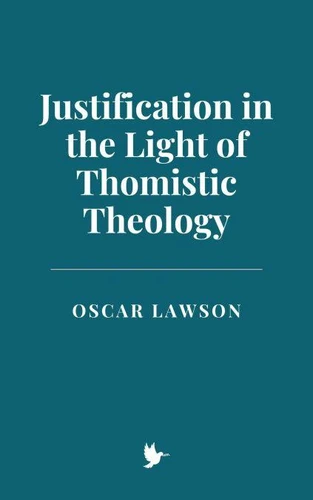
Justification in the Light of Thomistic Theology
Par :Formats :
Disponible dans votre compte client Decitre ou Furet du Nord dès validation de votre commande. Le format ePub est :
- Compatible avec une lecture sur My Vivlio (smartphone, tablette, ordinateur)
- Compatible avec une lecture sur liseuses Vivlio
- Pour les liseuses autres que Vivlio, vous devez utiliser le logiciel Adobe Digital Edition. Non compatible avec la lecture sur les liseuses Kindle, Remarkable et Sony
 , qui est-ce ?
Notre partenaire de plateforme de lecture numérique où vous retrouverez l'ensemble de vos ebooks gratuitement
Pour en savoir plus sur nos ebooks, consultez notre aide en ligne ici
C'est si simple ! Lisez votre ebook avec l'app Vivlio sur votre tablette, mobile ou ordinateur :

- FormatePub
- ISBN8230131823
- EAN9798230131823
- Date de parution01/01/2025
- Protection num.pas de protection
- Infos supplémentairesepub
- ÉditeurIndependently Published
Résumé
This work examines the doctrine of justification in the light of Thomistic theology, providing a comprehensive analysis of its historical development, theological foundations, and philosophical underpinnings. Rooted in the writings of St. Thomas Aquinas, it explores the multifaceted nature of justification as a transformative process initiated by God's grace, involving faith, charity, and human cooperation.
The study situates Aquinas' thought within its historical context, tracing its biblical foundations, patristic influences, and engagement with Aristotelian philosophy. It delves into Aquinas' integration of the four causes of justification-efficient, formal, material, and final-highlighting his systematic approach to understanding divine action and human response. Key themes include the infusion of sanctifying grace, the role of free will, the interplay of faith and charity, and the eschatological fulfillment of justification in the beatific vision.
The work also addresses critiques and challenges to Thomistic justification, including those from Protestant reformers, Orthodox theologians, and modern philosophical movements. It evaluates Aquinas' responses to questions about the nature of grace, the tension between nature and grace, and the implications of justification for human freedom and moral action. Furthermore, it examines the ecumenical relevance of Thomistic theology, particularly in light of the Joint Declaration on the Doctrine of Justification and ongoing dialogue between Catholic and Protestant traditions.
By integrating biblical exegesis, patristic insights, and philosophical reasoning, this study highlights the enduring relevance of Thomistic theology for understanding justification as both a moment of divine transformation and a lifelong journey toward eternal union with God. It offers a robust framework for engaging contemporary theological challenges and fostering unity among Christian traditions, demonstrating the richness and adaptability of Aquinas' thought for the Church today.
The study situates Aquinas' thought within its historical context, tracing its biblical foundations, patristic influences, and engagement with Aristotelian philosophy. It delves into Aquinas' integration of the four causes of justification-efficient, formal, material, and final-highlighting his systematic approach to understanding divine action and human response. Key themes include the infusion of sanctifying grace, the role of free will, the interplay of faith and charity, and the eschatological fulfillment of justification in the beatific vision.
The work also addresses critiques and challenges to Thomistic justification, including those from Protestant reformers, Orthodox theologians, and modern philosophical movements. It evaluates Aquinas' responses to questions about the nature of grace, the tension between nature and grace, and the implications of justification for human freedom and moral action. Furthermore, it examines the ecumenical relevance of Thomistic theology, particularly in light of the Joint Declaration on the Doctrine of Justification and ongoing dialogue between Catholic and Protestant traditions.
By integrating biblical exegesis, patristic insights, and philosophical reasoning, this study highlights the enduring relevance of Thomistic theology for understanding justification as both a moment of divine transformation and a lifelong journey toward eternal union with God. It offers a robust framework for engaging contemporary theological challenges and fostering unity among Christian traditions, demonstrating the richness and adaptability of Aquinas' thought for the Church today.
A propos de Oscar Lawson





2,99 €