SOLDES
Jusqu'à -70% sur une sélection d'articles*

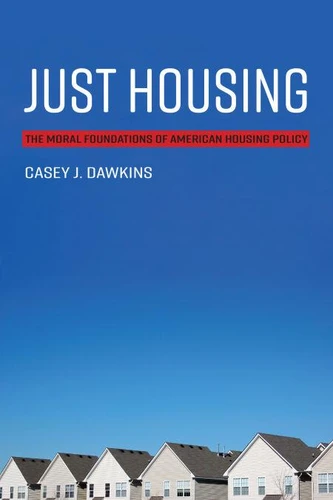
Just Housing. The Moral Foundations of American Housing Policy
Par :Formats :
Disponible dans votre compte client Decitre ou Furet du Nord dès validation de votre commande. Le format ePub protégé est :
- Compatible avec une lecture sur My Vivlio (smartphone, tablette, ordinateur)
- Compatible avec une lecture sur liseuses Vivlio
- Pour les liseuses autres que Vivlio, vous devez utiliser le logiciel Adobe Digital Edition. Non compatible avec la lecture sur les liseuses Kindle, Remarkable et Sony
- Non compatible avec un achat hors France métropolitaine
 , qui est-ce ?
Notre partenaire de plateforme de lecture numérique où vous retrouverez l'ensemble de vos ebooks gratuitement
Pour en savoir plus sur nos ebooks, consultez notre aide en ligne ici
C'est si simple ! Lisez votre ebook avec l'app Vivlio sur votre tablette, mobile ou ordinateur :

- Nombre de pages336
- FormatePub
- ISBN978-0-262-36712-7
- EAN9780262367127
- Date de parution31/08/2021
- Protection num.Adobe DRM
- Taille438 Ko
- Infos supplémentairesepub
- ÉditeurThe MIT Press
Résumé
A new conception of housing justice grounded in moral principles that appeal to the home's special connection to American life. In response to the twin crises of homelessness and housing insecurity, an emerging "housing justice" coalition argues that America's apparent inability to provide decent housing for all is a moral failing. Yet if housing is a right, as housing justice advocates contend, what is the content of that right? In a wide-ranging examination of these issues, Casey Dawkins chronicles the concept of housing justice, investigates the moral foundations of the US housing reform tradition, and proposes a new conception of housing justice that is grounded in moral principles that appeal to the home's special connection to American life. Dawkins examines the conceptual foundations of justice and explores the social meaning of the American home.
He chronicles the evolution of American housing reform, showing how housing policy was pieced together from layers of housing and land-use policies enacted over time, and investigates the endurance-from the founding of the republic through the postwar era-of the owned single-family home as the embodiment of national values. Finally, Dawkins considers housing justice, drawing on elements of liberalism, republicanism, progressivism, and pragmatism to defend a right-based conception of housing justice grounded in the ideal of civil equality.
Arguing that any defense of private property must appeal to the interests of those whose tenure is made insecure by the institution of private property, he proposes a "secure tenure" property regime and a "negative housing tax" that would fund a guaranteed housing allowance.
He chronicles the evolution of American housing reform, showing how housing policy was pieced together from layers of housing and land-use policies enacted over time, and investigates the endurance-from the founding of the republic through the postwar era-of the owned single-family home as the embodiment of national values. Finally, Dawkins considers housing justice, drawing on elements of liberalism, republicanism, progressivism, and pragmatism to defend a right-based conception of housing justice grounded in the ideal of civil equality.
Arguing that any defense of private property must appeal to the interests of those whose tenure is made insecure by the institution of private property, he proposes a "secure tenure" property regime and a "negative housing tax" that would fund a guaranteed housing allowance.