SOLDES
Jusqu'à -70% sur une sélection d'articles*

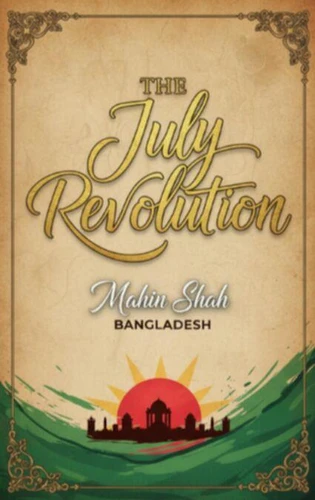
July Revolution
Par :Formats :
Disponible dans votre compte client Decitre ou Furet du Nord dès validation de votre commande. Le format ePub est :
- Compatible avec une lecture sur My Vivlio (smartphone, tablette, ordinateur)
- Compatible avec une lecture sur liseuses Vivlio
- Pour les liseuses autres que Vivlio, vous devez utiliser le logiciel Adobe Digital Edition. Non compatible avec la lecture sur les liseuses Kindle, Remarkable et Sony
 , qui est-ce ?
Notre partenaire de plateforme de lecture numérique où vous retrouverez l'ensemble de vos ebooks gratuitement
Pour en savoir plus sur nos ebooks, consultez notre aide en ligne ici
C'est si simple ! Lisez votre ebook avec l'app Vivlio sur votre tablette, mobile ou ordinateur :

- FormatePub
- ISBN8233355356
- EAN9798233355356
- Date de parution24/02/2026
- Protection num.pas de protection
- Infos supplémentairesepub
- ÉditeurLinda Balsamo
Résumé
"July Revolution 2024: Blood, Resistance, and the Reimagining of the State"**This session presents the July 2024 Revolution not as an isolated protest, but as a comprehensive historical transformation. What began as a limited demand for quota reform rapidly evolved into a nationwide struggle questioning state legitimacy, justice, and human dignity. The session explores how economic distress, unemployment, inflation, and systemic inequality pushed the nation to the brink, turning frustration into collective resistance.
It critically examines the geopolitical context, external influences, and state repression that led to the collapse of the walls of fear among the people. The sacrifices of martyrs-Abu Sayed, Mir Mahfuzur Rahman Mugdho, Faraz Ayaz Hossain, Rudra Sen, Shaikh Ashabul Yamin, Abdul Ahad, Mahmudur Rahman Nafiz, Ridwanul Islam, and others-are portrayed as living symbols of courage, innocence, and unwavering resolve.
The session also highlights the role of the unsung masses as the true pulse of the uprising, alongside the power of graffiti, digital activism, journalism, and the moral stand of medical professionals. Interfaith solidarity and collective humanity emerge as defining strengths of the movement. Finally, the session analyzes the judicial dimensions of the July massacre, the demand for justice, the historic collapse of August 5, and the aspirations for structural state reform that followed.
The July Revolution is framed not only as a national turning point for Bangladesh, but as a global beacon of resistance, written in sacrifice and hope.
It critically examines the geopolitical context, external influences, and state repression that led to the collapse of the walls of fear among the people. The sacrifices of martyrs-Abu Sayed, Mir Mahfuzur Rahman Mugdho, Faraz Ayaz Hossain, Rudra Sen, Shaikh Ashabul Yamin, Abdul Ahad, Mahmudur Rahman Nafiz, Ridwanul Islam, and others-are portrayed as living symbols of courage, innocence, and unwavering resolve.
The session also highlights the role of the unsung masses as the true pulse of the uprising, alongside the power of graffiti, digital activism, journalism, and the moral stand of medical professionals. Interfaith solidarity and collective humanity emerge as defining strengths of the movement. Finally, the session analyzes the judicial dimensions of the July massacre, the demand for justice, the historic collapse of August 5, and the aspirations for structural state reform that followed.
The July Revolution is framed not only as a national turning point for Bangladesh, but as a global beacon of resistance, written in sacrifice and hope.