SOLDES
Jusqu'à -70% sur une sélection d'articles*

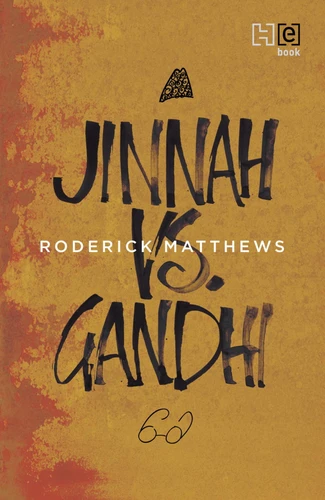
Jinnah vs. Gandhi
Par :Formats :
Disponible dans votre compte client Decitre ou Furet du Nord dès validation de votre commande. Le format ePub protégé est :
- Compatible avec une lecture sur My Vivlio (smartphone, tablette, ordinateur)
- Compatible avec une lecture sur liseuses Vivlio
- Pour les liseuses autres que Vivlio, vous devez utiliser le logiciel Adobe Digital Edition. Non compatible avec la lecture sur les liseuses Kindle, Remarkable et Sony
- Non compatible avec un achat hors France métropolitaine
 , qui est-ce ?
Notre partenaire de plateforme de lecture numérique où vous retrouverez l'ensemble de vos ebooks gratuitement
Pour en savoir plus sur nos ebooks, consultez notre aide en ligne ici
C'est si simple ! Lisez votre ebook avec l'app Vivlio sur votre tablette, mobile ou ordinateur :

- Nombre de pages336
- FormatePub
- ISBN978-93-5009-078-7
- EAN9789350090787
- Date de parution29/11/2012
- Protection num.Adobe DRM
- Infos supplémentairesepub
- ÉditeurHachette India
Résumé
The modern history of South Asia is shaped by the personalities ofits two most prominent politicians and ideologues - Mohammad AliJinnah and Mahatma Gandhi. Jinnah shaped the final settlement by consistently demanding Pakistan, and Gandhi defined the largely non-violent nature of the campaign. Each made their contribution by taking over and refashioninga national political party, which they came to personify.
Theirswould seem, therefore, to be a story of success, yet for each of them, the story ended in a kind of failure. How did two educated barristers who saw themselves as heralds ofa newly independent country come to find themselves on oppositeends of the political spectrum? How did Jinnah, who started out asecular liberal, end up a Muslim nationalist? How did a God-fearingmoralist and social reformer like Gandhi become a national politicalleader? And how did their fundamental divergences lead to the birthof two new countries that have shaped the political history of thesubcontinent?This book skilfully chronicles the incredible similarities and ultimatedifferences between the two leaders, as their admirers and detractorswould have it and as they actually were.
Theirswould seem, therefore, to be a story of success, yet for each of them, the story ended in a kind of failure. How did two educated barristers who saw themselves as heralds ofa newly independent country come to find themselves on oppositeends of the political spectrum? How did Jinnah, who started out asecular liberal, end up a Muslim nationalist? How did a God-fearingmoralist and social reformer like Gandhi become a national politicalleader? And how did their fundamental divergences lead to the birthof two new countries that have shaped the political history of thesubcontinent?This book skilfully chronicles the incredible similarities and ultimatedifferences between the two leaders, as their admirers and detractorswould have it and as they actually were.