SOLDES
Jusqu'à -70% sur une sélection d'articles*

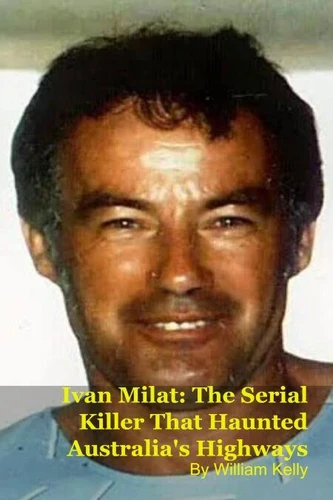
Ivan Milat: The Serial Killer That Haunted Australia's Highways
Par :Formats :
Disponible dans votre compte client Decitre ou Furet du Nord dès validation de votre commande. Le format ePub est :
- Compatible avec une lecture sur My Vivlio (smartphone, tablette, ordinateur)
- Compatible avec une lecture sur liseuses Vivlio
- Pour les liseuses autres que Vivlio, vous devez utiliser le logiciel Adobe Digital Edition. Non compatible avec la lecture sur les liseuses Kindle, Remarkable et Sony
 , qui est-ce ?
Notre partenaire de plateforme de lecture numérique où vous retrouverez l'ensemble de vos ebooks gratuitement
Pour en savoir plus sur nos ebooks, consultez notre aide en ligne ici
C'est si simple ! Lisez votre ebook avec l'app Vivlio sur votre tablette, mobile ou ordinateur :

- FormatePub
- ISBN8233398018
- EAN9798233398018
- Date de parution10/01/2026
- Protection num.pas de protection
- Infos supplémentairesepub
- ÉditeurLinda Balsamo
Résumé
Ivan Milat: The Serial Killer That Haunted Australia's HighwaysBetween 1989 and 1992, seven young backpackers disappeared along Australia's Hume Highway, their bodies later discovered in the Belanglo State Forest bearing evidence of sadistic torture. Ivan Milat's conviction for these murders marked only the beginning of understanding his true criminal career. This comprehensive examination traces Milat's development from troubled youth to calculating predator, analyzing the institutional failures that allowed him to operate undetected for decades despite multiple encounters with law enforcement.
Drawing on forensic evidence, employment records, and coronial inquiries, this book explores how Milat's work with the Roads and Traffic Authority provided both geographic knowledge and perfect cover for his crimes, while the fragmentation of law enforcement databases prevented pattern recognition across dozens of suspected cases. From the 1971 rape acquittal that emboldened his violence to the 2025 parliamentary inquiry investigating up to eighty potential victims, this account reveals how systemic breakdowns enabled one of Australia's most prolific serial killers and examines the intergenerational transmission of violence within the Milat family that culminated in his great-nephew's 2010 murder in the same forest, demonstrating how institutional reform emerged too late for the victims whose lives were destroyed by preventable failures.
Drawing on forensic evidence, employment records, and coronial inquiries, this book explores how Milat's work with the Roads and Traffic Authority provided both geographic knowledge and perfect cover for his crimes, while the fragmentation of law enforcement databases prevented pattern recognition across dozens of suspected cases. From the 1971 rape acquittal that emboldened his violence to the 2025 parliamentary inquiry investigating up to eighty potential victims, this account reveals how systemic breakdowns enabled one of Australia's most prolific serial killers and examines the intergenerational transmission of violence within the Milat family that culminated in his great-nephew's 2010 murder in the same forest, demonstrating how institutional reform emerged too late for the victims whose lives were destroyed by preventable failures.