FINALIST FOR THE ORWELL PRIZE FOR POLITICAL WRITING 2026'Remarkable' GUARDIAN'Anyone disturbed and frightened by our current moral and intellectual morass should read it' PANKAJ MISHRAA leading genocide scholar explores the history of Zionism, Israel's lurch towards extreme oppression and violence, and why it stands accused of crimes against humanityProfessor Omer Bartov was born on a kibbutz, grew up in Tel Aviv and served in the Israel Defence Forces during the Yom Kippur War.
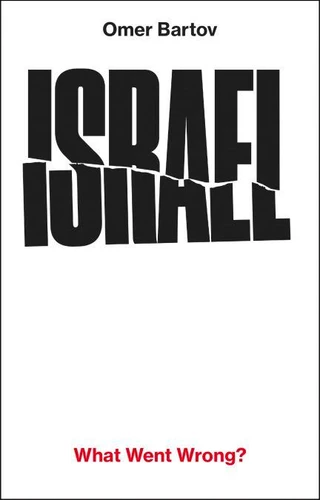
He went on to become an expert on the German army and the Holocaust, before turning his attention to his native country. In Israel: What Went Wrong?, Bartov explores the transformation of Zionism from a movement of Jewish emancipation and liberation into a state ideology of ethno-nationalism, exclusion and violent domination of Palestinians. He traces the process whereby Israel - whose establishment in 1948 received international support in the aftermath of the Holocaust - now faces accusations of war crimes and genocide.
What are the implications of Israel's near total impunity for the post-1945 regime of international law? And how do we understand the widespread support for these policies by Israel's Jewish citizens?The result is a searing and urgent critique that addresses today's debates over Zionism, genocide, and the future of Israel with rigour and depth.
FINALIST FOR THE ORWELL PRIZE FOR POLITICAL WRITING 2026'Remarkable' GUARDIAN'Anyone disturbed and frightened by our current moral and intellectual morass should read it' PANKAJ MISHRAA leading genocide scholar explores the history of Zionism, Israel's lurch towards extreme oppression and violence, and why it stands accused of crimes against humanityProfessor Omer Bartov was born on a kibbutz, grew up in Tel Aviv and served in the Israel Defence Forces during the Yom Kippur War.
He went on to become an expert on the German army and the Holocaust, before turning his attention to his native country. In Israel: What Went Wrong?, Bartov explores the transformation of Zionism from a movement of Jewish emancipation and liberation into a state ideology of ethno-nationalism, exclusion and violent domination of Palestinians. He traces the process whereby Israel - whose establishment in 1948 received international support in the aftermath of the Holocaust - now faces accusations of war crimes and genocide.
What are the implications of Israel's near total impunity for the post-1945 regime of international law? And how do we understand the widespread support for these policies by Israel's Jewish citizens?The result is a searing and urgent critique that addresses today's debates over Zionism, genocide, and the future of Israel with rigour and depth.

 , qui est-ce ?