SOLDES
Jusqu'à -70% sur une sélection d'articles*

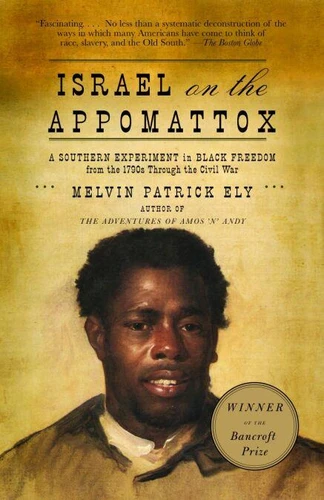
Israel on the Appomattox. A Southern Experiment in Black Freedom from the 1790s Through the Civil War
Par :Formats :
Disponible dans votre compte client Decitre ou Furet du Nord dès validation de votre commande. Le format ePub protégé est :
- Compatible avec une lecture sur My Vivlio (smartphone, tablette, ordinateur)
- Compatible avec une lecture sur liseuses Vivlio
- Pour les liseuses autres que Vivlio, vous devez utiliser le logiciel Adobe Digital Edition. Non compatible avec la lecture sur les liseuses Kindle, Remarkable et Sony
- Non compatible avec un achat hors France métropolitaine
 , qui est-ce ?
Notre partenaire de plateforme de lecture numérique où vous retrouverez l'ensemble de vos ebooks gratuitement
Pour en savoir plus sur nos ebooks, consultez notre aide en ligne ici
C'est si simple ! Lisez votre ebook avec l'app Vivlio sur votre tablette, mobile ou ordinateur :

- Nombre de pages656
- FormatePub
- ISBN978-0-307-77342-5
- EAN9780307773425
- Date de parution01/12/2010
- Protection num.Adobe DRM
- Taille8 Mo
- Infos supplémentairesepub
- ÉditeurVintage
Résumé
WINNER OF THE BANCROFT PRIZEA New York Times Book Review and Atlantic Monthly Editors' ChoiceThomas Jefferson denied that whites and freed blacks could live together in harmony. His cousin, Richard Randolph, not only disagreed, but made it possible for ninety African Americans to prove Jefferson wrong. Israel on the Appomattox tells the story of these liberated blacks and the community they formed, called Israel Hill, in Prince Edward County, Virginia.
There, ex-slaves established farms, navigated the Appomattox River, and became entrepreneurs. Free blacks and whites did business with one another, sued each other, worked side by side for equal wages, joined forces to found a Baptist congregation, moved west together, and occasionally settled down as man and wife. Slavery cast its grim shadow, even over the lives of the free, yet on Israel Hill we discover a moving story of hardship and hope that defies our expectations of the Old South.
There, ex-slaves established farms, navigated the Appomattox River, and became entrepreneurs. Free blacks and whites did business with one another, sued each other, worked side by side for equal wages, joined forces to found a Baptist congregation, moved west together, and occasionally settled down as man and wife. Slavery cast its grim shadow, even over the lives of the free, yet on Israel Hill we discover a moving story of hardship and hope that defies our expectations of the Old South.