SOLDES
Jusqu'à -70% sur une sélection d'articles*

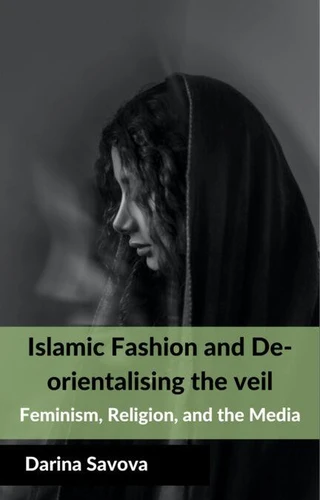
Islamic Fashion and De-orientalising the veil.
Par :Formats :
Disponible dans votre compte client Decitre ou Furet du Nord dès validation de votre commande. Le format ePub est :
- Compatible avec une lecture sur My Vivlio (smartphone, tablette, ordinateur)
- Compatible avec une lecture sur liseuses Vivlio
- Pour les liseuses autres que Vivlio, vous devez utiliser le logiciel Adobe Digital Edition. Non compatible avec la lecture sur les liseuses Kindle, Remarkable et Sony
 , qui est-ce ?
Notre partenaire de plateforme de lecture numérique où vous retrouverez l'ensemble de vos ebooks gratuitement
Pour en savoir plus sur nos ebooks, consultez notre aide en ligne ici
C'est si simple ! Lisez votre ebook avec l'app Vivlio sur votre tablette, mobile ou ordinateur :

- FormatePub
- ISBN8201908379
- EAN9798201908379
- Date de parution19/06/2021
- Protection num.pas de protection
- Infos supplémentairesepub
- ÉditeurJL
Résumé
The book aims to understand the revolutionary character of the increasing global visibility of Muslim fashionable clothing and investigate in what ways does the hijabista fashion challenge existing stereotypes of oppressed Muslim women. This paper first investigates the Western discourse of the veil and the negative connotations associated with it. The study then links that discourse to a discussion of the dominant Western perspective found within the fashion scholarship.
Afterward, the research presents a series of challenges posed by veiled Muslim women to the Western dominance by tracing them back to the Islamic revival movements and following them to the present days in which the modern fashionable Islamic attire has come into sight. Following this investigation, the paper engages with the significance of social media in spreading, altering, and claiming new fashion styles.
It uses critical discourse analysis to scrutinize two Instagram profiles of Muslim fashion bloggers with an aim to understand how their self-presentation affects the common perception of the veil. The analysis has found that the self-branding of Muslim fashion bloggers as maintaining hybrid identities of both fashionable and modest effectively breaks long-established stereotypes of the voiceless, unhappy and oppressed Muslim women.
The findings of the study have shown that hijabsita fashion bloggers are embracing their beauty and identity through hijab and find their liberation and empowerment by creatively experimenting with the headscarves. Taking into account the global spread of Instagram, it could be concluded that Muslim women are successfully challenging stereotypes associated with Islam rewriting the history of fashion.
Afterward, the research presents a series of challenges posed by veiled Muslim women to the Western dominance by tracing them back to the Islamic revival movements and following them to the present days in which the modern fashionable Islamic attire has come into sight. Following this investigation, the paper engages with the significance of social media in spreading, altering, and claiming new fashion styles.
It uses critical discourse analysis to scrutinize two Instagram profiles of Muslim fashion bloggers with an aim to understand how their self-presentation affects the common perception of the veil. The analysis has found that the self-branding of Muslim fashion bloggers as maintaining hybrid identities of both fashionable and modest effectively breaks long-established stereotypes of the voiceless, unhappy and oppressed Muslim women.
The findings of the study have shown that hijabsita fashion bloggers are embracing their beauty and identity through hijab and find their liberation and empowerment by creatively experimenting with the headscarves. Taking into account the global spread of Instagram, it could be concluded that Muslim women are successfully challenging stereotypes associated with Islam rewriting the history of fashion.