SOLDES
Jusqu'à -70% sur une sélection d'articles*

Nouveauté
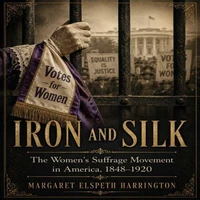
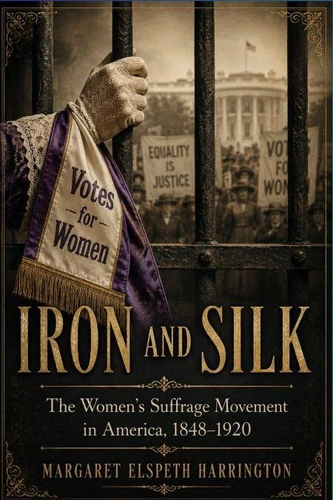
Iron And Silk. The Women's Suffrage Movement in America, 1848-1920
Par :Formats :
Disponible dans votre compte client Decitre ou Furet du Nord dès validation de votre commande. Le format ePub est :
- Compatible avec une lecture sur My Vivlio (smartphone, tablette, ordinateur)
- Compatible avec une lecture sur liseuses Vivlio
- Pour les liseuses autres que Vivlio, vous devez utiliser le logiciel Adobe Digital Edition. Non compatible avec la lecture sur les liseuses Kindle, Remarkable et Sony
 , qui est-ce ?
Notre partenaire de plateforme de lecture numérique où vous retrouverez l'ensemble de vos ebooks gratuitement
Pour en savoir plus sur nos ebooks, consultez notre aide en ligne ici
C'est si simple ! Lisez votre ebook avec l'app Vivlio sur votre tablette, mobile ou ordinateur :

- FormatePub
- ISBN8905168611
- EAN9798905168611
- Date de parution02/06/2026
- Protection num.pas de protection
- Taille1014 Ko
- Infos supplémentairesepub
- ÉditeurChiify
Résumé
Women's suffrage movement history, Seneca Falls to Nineteenth Amendment 1848-1920, Susan B. Anthony, Elizabeth Cady Stanton, Alice Paul - the complete 72-year narrative history of American women's fight for the vote.
On August 18, 1920, Tennessee legislator Harry Burn walked into the state House chamber wearing an antisuffrage red rose. In his pocket was a penciled letter from his mother: "Hurrah and vote for Suffrage and don't keep them in doubt...
Don't forget to be a good boy." When his name was called, Burn voted yes. By one vote, Tennessee ratified the Nineteenth Amendment, and twenty-six million American women became eligible to vote. Iron and Silk traces the full arc of women's suffrage history - from the 300 people at Seneca Falls in July 1848 hearing Elizabeth Cady Stanton read a Declaration modeled on the Declaration of Independence, through Susan B.
Anthony's 1872 arrest and directed-verdict trial, through Alice Paul's 1917 White House pickets and the Night of Terror at the Occoquan Workhouse, to the Winning Plan that Carrie Chapman Catt executed with the precision of a military campaign. Inside this women's suffrage book: Seneca Falls, July 1848 - the Declaration of Sentiments, Frederick Douglass's argument that the ballot was the foundation of all other rights, and the suffrage resolution that barely passed even among the organizers (Chapter 1) Susan B.
Anthony's arrest - handcuffed by a U. S. marshal, tried before a judge who delivered a directed verdict without jury deliberation, fined $100 she told him she would never pay (Chapter 13) The Night of Terror - November 14-15, 1917, Occoquan Workhouse: guards beating Alice Paul's pickets, Dora Lewis knocked unconscious, Lucy Burns throttled - and how the outrage accelerated Wilson's conversion (Chapter 11) Catt's Winning Plan - the secret 1916 Atlantic City strategy dividing states into referendum targets and congressional pressure campaigns; winning New York in 1917 changed the math for every Eastern senator (Chapter 10) The honest reckoning - the racial exclusions made to secure Southern support, the Amendment's failure to protect Black women in the South, and what 72 years of organizing achieved and left unfinished (Chapters 18, 22-23) The women's suffrage movement succeeded because Catt and Paul made the political cost of continued denial higher than the cost of conceding.
Febb Burn's penciled letter is proof it worked all the way down - to a farm woman who had no formal connection to the movement but had absorbed its arguments. This is the complete narrative history of women's rights in America, from Seneca Falls to the Nineteenth Amendment. For readers of Doris Kearns Goodwin's NO ORDINARY TIME and Stacy Schiff's THE WITCHES.
Don't forget to be a good boy." When his name was called, Burn voted yes. By one vote, Tennessee ratified the Nineteenth Amendment, and twenty-six million American women became eligible to vote. Iron and Silk traces the full arc of women's suffrage history - from the 300 people at Seneca Falls in July 1848 hearing Elizabeth Cady Stanton read a Declaration modeled on the Declaration of Independence, through Susan B.
Anthony's 1872 arrest and directed-verdict trial, through Alice Paul's 1917 White House pickets and the Night of Terror at the Occoquan Workhouse, to the Winning Plan that Carrie Chapman Catt executed with the precision of a military campaign. Inside this women's suffrage book: Seneca Falls, July 1848 - the Declaration of Sentiments, Frederick Douglass's argument that the ballot was the foundation of all other rights, and the suffrage resolution that barely passed even among the organizers (Chapter 1) Susan B.
Anthony's arrest - handcuffed by a U. S. marshal, tried before a judge who delivered a directed verdict without jury deliberation, fined $100 she told him she would never pay (Chapter 13) The Night of Terror - November 14-15, 1917, Occoquan Workhouse: guards beating Alice Paul's pickets, Dora Lewis knocked unconscious, Lucy Burns throttled - and how the outrage accelerated Wilson's conversion (Chapter 11) Catt's Winning Plan - the secret 1916 Atlantic City strategy dividing states into referendum targets and congressional pressure campaigns; winning New York in 1917 changed the math for every Eastern senator (Chapter 10) The honest reckoning - the racial exclusions made to secure Southern support, the Amendment's failure to protect Black women in the South, and what 72 years of organizing achieved and left unfinished (Chapters 18, 22-23) The women's suffrage movement succeeded because Catt and Paul made the political cost of continued denial higher than the cost of conceding.
Febb Burn's penciled letter is proof it worked all the way down - to a farm woman who had no formal connection to the movement but had absorbed its arguments. This is the complete narrative history of women's rights in America, from Seneca Falls to the Nineteenth Amendment. For readers of Doris Kearns Goodwin's NO ORDINARY TIME and Stacy Schiff's THE WITCHES.