SOLDES
Jusqu'à -70% sur une sélection d'articles*

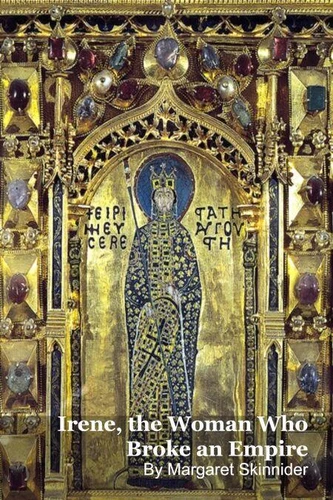
Irene, the Woman Who Broke an Empire
Par :Formats :
Disponible dans votre compte client Decitre ou Furet du Nord dès validation de votre commande. Le format ePub est :
- Compatible avec une lecture sur My Vivlio (smartphone, tablette, ordinateur)
- Compatible avec une lecture sur liseuses Vivlio
- Pour les liseuses autres que Vivlio, vous devez utiliser le logiciel Adobe Digital Edition. Non compatible avec la lecture sur les liseuses Kindle, Remarkable et Sony
 , qui est-ce ?
Notre partenaire de plateforme de lecture numérique où vous retrouverez l'ensemble de vos ebooks gratuitement
Pour en savoir plus sur nos ebooks, consultez notre aide en ligne ici
C'est si simple ! Lisez votre ebook avec l'app Vivlio sur votre tablette, mobile ou ordinateur :

- FormatePub
- ISBN8233808487
- EAN9798233808487
- Date de parution16/01/2026
- Protection num.pas de protection
- Infos supplémentairesepub
- ÉditeurLinda Balsamo
Résumé
Irene, the Woman Who Broke an EmpireThe eighth-century Byzantine Empire witnessed one of history's most extraordinary and brutal power struggles when Irene of Athens rose from provincial orphan to become the first woman to rule the Roman Empire in her own right. This meticulously researched historical narrative chronicles Irene's ruthless path to power through political manipulation, religious transformation, and ultimately matricide, as she blinded her own son Constantine VI in the room where he was born to claim sole imperial authority.
The book explores how Irene's restoration of icon veneration reshaped Orthodox Christianity while her violent seizure of power inadvertently created the conditions for Charlemagne's coronation as Western Emperor in 800, permanently dividing Christendom between East and West. Drawing on Byzantine chronicles, Western sources, and alternative narratives about disputed succession, this comprehensive work examines the conspiracy of the half-brothers, the failed Council of 786, the Moechian controversy, and the shadow claim of a possible Byzantine heir sheltered at Charlemagne's court.
Irene's story illuminates the intersection of gender and power, the relationship between religious conviction and political ambition, and how individual actions can transform civilizations in unforeseen ways. Despite her canonization as a saint, Irene's legacy remains deeply contested, embodying both extraordinary achievement and profound moral tragedy.
The book explores how Irene's restoration of icon veneration reshaped Orthodox Christianity while her violent seizure of power inadvertently created the conditions for Charlemagne's coronation as Western Emperor in 800, permanently dividing Christendom between East and West. Drawing on Byzantine chronicles, Western sources, and alternative narratives about disputed succession, this comprehensive work examines the conspiracy of the half-brothers, the failed Council of 786, the Moechian controversy, and the shadow claim of a possible Byzantine heir sheltered at Charlemagne's court.
Irene's story illuminates the intersection of gender and power, the relationship between religious conviction and political ambition, and how individual actions can transform civilizations in unforeseen ways. Despite her canonization as a saint, Irene's legacy remains deeply contested, embodying both extraordinary achievement and profound moral tragedy.