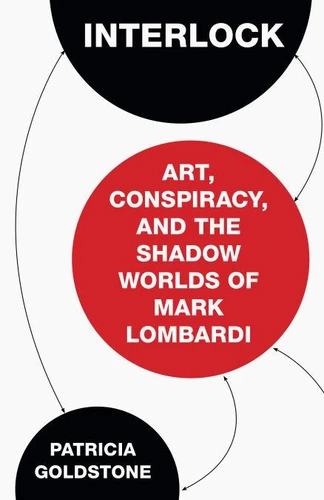
Interlock. Art, Conspiracy, and the Shadow Worlds of Mark Lombardi
Par :Formats :
Disponible dans votre compte client Decitre ou Furet du Nord dès validation de votre commande. Le format ePub protégé est :
- Compatible avec une lecture sur My Vivlio (smartphone, tablette, ordinateur)
- Compatible avec une lecture sur liseuses Vivlio
- Pour les liseuses autres que Vivlio, vous devez utiliser le logiciel Adobe Digital Edition. Non compatible avec la lecture sur les liseuses Kindle, Remarkable et Sony
- Non compatible avec un achat hors France métropolitaine
 , qui est-ce ?
Notre partenaire de plateforme de lecture numérique où vous retrouverez l'ensemble de vos ebooks gratuitement
Pour en savoir plus sur nos ebooks, consultez notre aide en ligne ici
C'est si simple ! Lisez votre ebook avec l'app Vivlio sur votre tablette, mobile ou ordinateur :

- Nombre de pages408
- FormatePub
- ISBN978-1-61902-660-5
- EAN9781619026605
- Date de parution01/10/2015
- Protection num.Adobe DRM
- Taille3 Mo
- Infos supplémentairesepub
- ÉditeurCounterpoint
Résumé
In the fateful month of March 2000, shortly after opening a hugely successful show in New York that unveiled the more nefarious financial connections of Presidential candidate George W. Bush, the hugely ambitious Conceptual artist Mark Lombardi was found hanged in his studio, an apparent suicide. With museums lining up to buy his work, and the fame he had sought relentlessly at last within his reach, speculation about whether his death was suicide or murder has titillated the art world ever since.
Lombardi was an enigma who was at once a compulsive truth-teller and a cunning player of the art game, a political operative and a stubborn independent, a serious artist and a Merry Prankster, a metaphysicist if not a scientist. Lombardi's spidery, elusive diagrams describing the evolution of the shadow-banking industry from a decades-old alliances between intelligence agencies, banking, government and organized crime, may have made him unique in art history as the only artist whose primary subject, the CIA, has turned around and studied him and his art work.
Exhaustively researched, this is the first comprehensive biography of this immensely contradictory and brilliantly original artist whose pervasive influence in not only the art world, but also in the world of computer science and cyber-security is only now coming to light.
Lombardi was an enigma who was at once a compulsive truth-teller and a cunning player of the art game, a political operative and a stubborn independent, a serious artist and a Merry Prankster, a metaphysicist if not a scientist. Lombardi's spidery, elusive diagrams describing the evolution of the shadow-banking industry from a decades-old alliances between intelligence agencies, banking, government and organized crime, may have made him unique in art history as the only artist whose primary subject, the CIA, has turned around and studied him and his art work.
Exhaustively researched, this is the first comprehensive biography of this immensely contradictory and brilliantly original artist whose pervasive influence in not only the art world, but also in the world of computer science and cyber-security is only now coming to light.