SOLDES
Jusqu'à -70% sur une sélection d'articles*

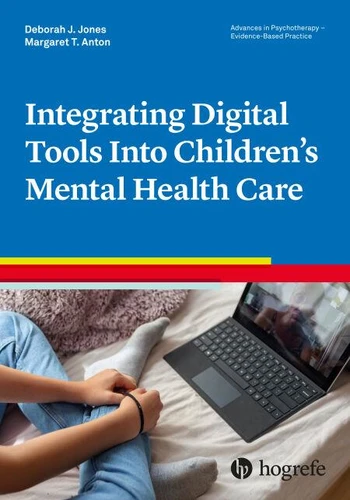
Integrating Digital Tools Into Children's Mental Health Care
Par : ,Formats :
Disponible dans votre compte client Decitre ou Furet du Nord dès validation de votre commande. Le format ePub est :
- Compatible avec une lecture sur My Vivlio (smartphone, tablette, ordinateur)
- Compatible avec une lecture sur liseuses Vivlio
- Pour les liseuses autres que Vivlio, vous devez utiliser le logiciel Adobe Digital Edition. Non compatible avec la lecture sur les liseuses Kindle, Remarkable et Sony
 , qui est-ce ?
Notre partenaire de plateforme de lecture numérique où vous retrouverez l'ensemble de vos ebooks gratuitement
Pour en savoir plus sur nos ebooks, consultez notre aide en ligne ici
C'est si simple ! Lisez votre ebook avec l'app Vivlio sur votre tablette, mobile ou ordinateur :

- Nombre de pages82
- FormatePub
- ISBN978-1-61334-601-3
- EAN9781613346013
- Date de parution25/09/2023
- Protection num.Digital Watermarking
- Taille5 Mo
- Infos supplémentairesepub
- ÉditeurHogrefe Publishing
Résumé
Practitioners need to know the evidence behind using digital mental health approaches and tools, including telemental health visits. This accessible book provides that help, as the authors guide the reader through the rationale, options, and strategies for incorporating digital tools into children's mental health care, drawing on their extensive knowledge of both current research and clinical practice.
They outline the leading theoretical approaches that highlight mechanisms involved in digital tools increasing access to, engagement in, and outcomes of evidence-based mental health services for children and families. Through clinical vignettes and hands-on exercises included in this Advances in Psychotherapy series volume, mental health providers will gain insight into how to select a digital tool and identify its various uses.
The reader is also given the opportunity to explore their own attitudes and comfort with incorporating digital tools into practice with their young clients and their families. Numerous downloadable handouts and forms for clinical use are provided in the appendix.
They outline the leading theoretical approaches that highlight mechanisms involved in digital tools increasing access to, engagement in, and outcomes of evidence-based mental health services for children and families. Through clinical vignettes and hands-on exercises included in this Advances in Psychotherapy series volume, mental health providers will gain insight into how to select a digital tool and identify its various uses.
The reader is also given the opportunity to explore their own attitudes and comfort with incorporating digital tools into practice with their young clients and their families. Numerous downloadable handouts and forms for clinical use are provided in the appendix.