SOLDES
Jusqu'à -70% sur une sélection d'articles*

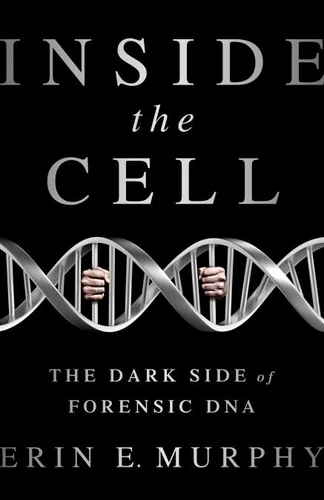
Inside the Cell. The Dark Side of Forensic DNA
Par :Formats :
Disponible dans votre compte client Decitre ou Furet du Nord dès validation de votre commande. Le format ePub protégé est :
- Compatible avec une lecture sur My Vivlio (smartphone, tablette, ordinateur)
- Compatible avec une lecture sur liseuses Vivlio
- Pour les liseuses autres que Vivlio, vous devez utiliser le logiciel Adobe Digital Edition. Non compatible avec la lecture sur les liseuses Kindle, Remarkable et Sony
- Non compatible avec un achat hors France métropolitaine
 , qui est-ce ?
Notre partenaire de plateforme de lecture numérique où vous retrouverez l'ensemble de vos ebooks gratuitement
Pour en savoir plus sur nos ebooks, consultez notre aide en ligne ici
C'est si simple ! Lisez votre ebook avec l'app Vivlio sur votre tablette, mobile ou ordinateur :

- Nombre de pages400
- FormatePub
- ISBN978-1-56858-470-6
- EAN9781568584706
- Date de parution05/10/2015
- Protection num.Adobe DRM
- Infos supplémentairesepub
- ÉditeurBold Type Books
Résumé
Josiah Sutton was convicted of rape. He was five inches shorter and 65 pounds lighter than the suspect described by the victim, but at trial a lab analyst testified that his DNA was found at the crime scene. His case looked like many others -- arrest, swab, match, conviction. But there was just one problem -- Sutton was innocent. We think of DNA forensics as an infallible science that catches the bad guys and exonerates the innocent.
But when the science goes rogue, it can lead to a gross miscarriage of justice. Erin Murphy exposes the dark side of forensic DNA testing: crime labs that receive little oversight and produce inconsistent results; prosecutors who push to test smaller and poorer-quality samples, inviting error and bias; law-enforcement officers who compile massive, unregulated, and racially skewed DNA databases; and industry lobbyists who push policies of "stop and spit." DNA testing is rightly seen as a transformative technological breakthrough, but we should be wary of placing such a powerful weapon in the hands of the same broken criminal justice system that has produced mass incarceration, privileged government interests over personal privacy, and all too often enforced the law in a biased or unjust manner.
Inside the Cell exposes the truth about forensic DNA, and shows us what it will take to harness the power of genetic identification in service of accuracy and fairness.
But when the science goes rogue, it can lead to a gross miscarriage of justice. Erin Murphy exposes the dark side of forensic DNA testing: crime labs that receive little oversight and produce inconsistent results; prosecutors who push to test smaller and poorer-quality samples, inviting error and bias; law-enforcement officers who compile massive, unregulated, and racially skewed DNA databases; and industry lobbyists who push policies of "stop and spit." DNA testing is rightly seen as a transformative technological breakthrough, but we should be wary of placing such a powerful weapon in the hands of the same broken criminal justice system that has produced mass incarceration, privileged government interests over personal privacy, and all too often enforced the law in a biased or unjust manner.
Inside the Cell exposes the truth about forensic DNA, and shows us what it will take to harness the power of genetic identification in service of accuracy and fairness.