SOLDES
Jusqu'à -70% sur une sélection d'articles*

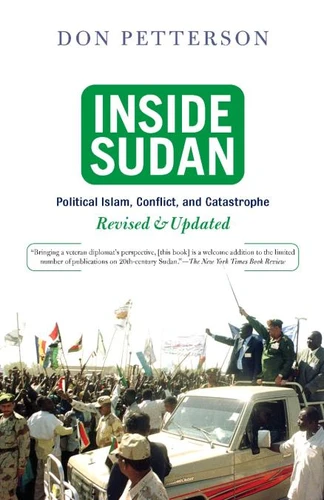
Inside Sudan. Political Islam, Conflict, And Catastrophe
Par :Formats :
Disponible dans votre compte client Decitre ou Furet du Nord dès validation de votre commande. Le format ePub protégé est :
- Compatible avec une lecture sur My Vivlio (smartphone, tablette, ordinateur)
- Compatible avec une lecture sur liseuses Vivlio
- Pour les liseuses autres que Vivlio, vous devez utiliser le logiciel Adobe Digital Edition. Non compatible avec la lecture sur les liseuses Kindle, Remarkable et Sony
- Non compatible avec un achat hors France métropolitaine
 , qui est-ce ?
Notre partenaire de plateforme de lecture numérique où vous retrouverez l'ensemble de vos ebooks gratuitement
Pour en savoir plus sur nos ebooks, consultez notre aide en ligne ici
C'est si simple ! Lisez votre ebook avec l'app Vivlio sur votre tablette, mobile ou ordinateur :

- Nombre de pages288
- FormatePub
- ISBN978-0-7867-3027-8
- EAN9780786730278
- Date de parution26/04/2009
- Protection num.Adobe DRM
- Infos supplémentairesepub
- ÉditeurBasic Books
Résumé
Sudan, governed by an Islamic fundamentalist dictatorship, has come into conflict with the United States and other countries not because of its religious orientation but because of its record of human rights abuses and support for terrorism. The country has captured the attention of many Americans, some of whom feel that something must be done to combat religious persecution throughout the world and others who are appalled that almost two million civilians have died as a consequence of Sudan's civil war.
As the last American ambassador to complete an assignment based in Sudan, Donald Petterson provides unique insights into how it has become what it is today. The central focus of Inside Sudan is on Petterson's experiences dealing with a hostile government. Petterson tells of what occurred after Sudanese security forces executed four Sudanese employees of the US government in the southern city of Juba.
He relates what happened to Americans in Khartoum after Washington put Sudan on the list state sponsors of terrorism. He describes what he saw on his many trips into war-devastated southern Sudan. These unique observations, and Petterson's account of his return to Sudan in late 1997 to look for openings to improve US-Sudan relations, provide a timely review of our relationship with a country increasingly regarded by Washington as beyond the pale.
As the last American ambassador to complete an assignment based in Sudan, Donald Petterson provides unique insights into how it has become what it is today. The central focus of Inside Sudan is on Petterson's experiences dealing with a hostile government. Petterson tells of what occurred after Sudanese security forces executed four Sudanese employees of the US government in the southern city of Juba.
He relates what happened to Americans in Khartoum after Washington put Sudan on the list state sponsors of terrorism. He describes what he saw on his many trips into war-devastated southern Sudan. These unique observations, and Petterson's account of his return to Sudan in late 1997 to look for openings to improve US-Sudan relations, provide a timely review of our relationship with a country increasingly regarded by Washington as beyond the pale.