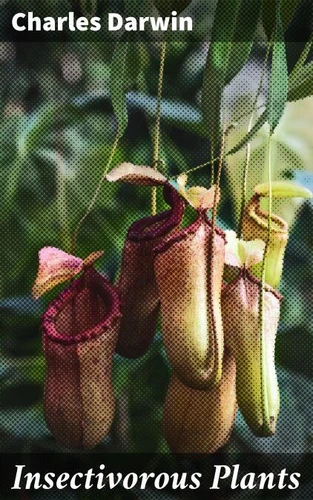
In "Insectivorous Plants, " Charles Darwin meticulously explores the fascinating world of carnivorous plants, offering profound insights into their unique adaptations and ecological significance. Through meticulous observation and experimental methodology, Darwin presents a detailed analysis of how these remarkable organisms attract, trap, and digest insects to supplement their nutrient intake. The book is characterized by Darwin's signature clarity of prose and rigorous scientific inquiry, positioned within the broader context of his evolutionary theory.
It stands as both a botanical treatise and a critical reflection on the interaction between flora and fauna, enriching the Victorian discourse on natural history. Charles Darwin, best known for his foundational work on evolution, was deeply intrigued by the intricate relationships in nature. His extensive travels and observations, particularly during the HMS Beagle expedition, shaped his understanding of adaptability and survival.
This curiosity about the natural world led him to investigate the unusual mechanisms of insectivorous plants, emphasizing their roles within ecosystems and challenging contemporary views on plant life. I highly recommend "Insectivorous Plants" to anyone interested in botany, ecology, or the history of science. This work not only enriches our understanding of plant evolution and adaptation but also exemplifies Darwin's commitment to unraveling the complexities of the natural world, making it a captivating read for both scholars and amateurs alike.
In "Insectivorous Plants, " Charles Darwin meticulously explores the fascinating world of carnivorous plants, offering profound insights into their unique adaptations and ecological significance. Through meticulous observation and experimental methodology, Darwin presents a detailed analysis of how these remarkable organisms attract, trap, and digest insects to supplement their nutrient intake. The book is characterized by Darwin's signature clarity of prose and rigorous scientific inquiry, positioned within the broader context of his evolutionary theory.
It stands as both a botanical treatise and a critical reflection on the interaction between flora and fauna, enriching the Victorian discourse on natural history. Charles Darwin, best known for his foundational work on evolution, was deeply intrigued by the intricate relationships in nature. His extensive travels and observations, particularly during the HMS Beagle expedition, shaped his understanding of adaptability and survival.
This curiosity about the natural world led him to investigate the unusual mechanisms of insectivorous plants, emphasizing their roles within ecosystems and challenging contemporary views on plant life. I highly recommend "Insectivorous Plants" to anyone interested in botany, ecology, or the history of science. This work not only enriches our understanding of plant evolution and adaptation but also exemplifies Darwin's commitment to unraveling the complexities of the natural world, making it a captivating read for both scholars and amateurs alike.


 , qui est-ce ?