OFFRE LISEUSES
Une liseuse achetée = une housse offerte* jusqu'au 21 juin

Nouveauté
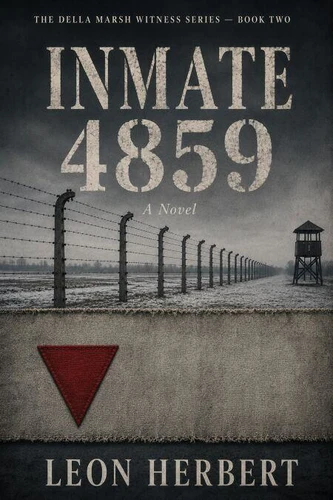
Inmate 4859. The Della Marsh Notebook Series, #2
Par :Formats :
Disponible dans votre compte client Decitre ou Furet du Nord dès validation de votre commande. Le format ePub est :
- Compatible avec une lecture sur My Vivlio (smartphone, tablette, ordinateur)
- Compatible avec une lecture sur liseuses Vivlio
- Pour les liseuses autres que Vivlio, vous devez utiliser le logiciel Adobe Digital Edition. Non compatible avec la lecture sur les liseuses Kindle, Remarkable et Sony
 , qui est-ce ?
Notre partenaire de plateforme de lecture numérique où vous retrouverez l'ensemble de vos ebooks gratuitement
Pour en savoir plus sur nos ebooks, consultez notre aide en ligne ici
C'est si simple ! Lisez votre ebook avec l'app Vivlio sur votre tablette, mobile ou ordinateur :

- FormatePub
- ISBN8235888470
- EAN9798235888470
- Date de parution15/05/2026
- Protection num.pas de protection
- Infos supplémentairesepub
- ÉditeurIoakim Ioakim
Résumé
In September 1940, a Polish cavalry officer stepped into a German street roundup in Warsaw, carrying forged papers and a plan. He was going to Auschwitz on purpose. He was the only man known to have done so. His name was Witold Pilecki. He went in to gather intelligence and build a resistance network inside the camp - cell by cell, in conditions designed to make trust fatal. He sent reports to the Allied powers describing the gas chambers, the crematoria, the systematic murder of Europe's Jews.
The reports were received, classified, and largely set aside. He escaped in 1943. He fought in the Warsaw Uprising. He returned to Poland after the war because the mission was not finished. In 1948, the Communist government of Poland shot him as a spy. They buried him in secret. His grave has never been found. Sixty years later, Melbourne journalist Della Marsh is assigned a commemorative feature for The Age.
Her subject: Zofia Pilecka, Pilecki's elderly daughter, visiting Melbourne for an exhibition honouring her father's life. Zofia did not witness what her father did - she was seven years old when he disappeared into a German roundup on a Warsaw street. What she has is fifty years of carrying her father's name through a government that wanted it erased, and the particular knowledge of someone who has spent a lifetime reconstructing a man she knew only in pieces.
The reports were received, classified, and largely set aside. He escaped in 1943. He fought in the Warsaw Uprising. He returned to Poland after the war because the mission was not finished. In 1948, the Communist government of Poland shot him as a spy. They buried him in secret. His grave has never been found. Sixty years later, Melbourne journalist Della Marsh is assigned a commemorative feature for The Age.
Her subject: Zofia Pilecka, Pilecki's elderly daughter, visiting Melbourne for an exhibition honouring her father's life. Zofia did not witness what her father did - she was seven years old when he disappeared into a German roundup on a Warsaw street. What she has is fifty years of carrying her father's name through a government that wanted it erased, and the particular knowledge of someone who has spent a lifetime reconstructing a man she knew only in pieces.
A propos de Leon Herbert

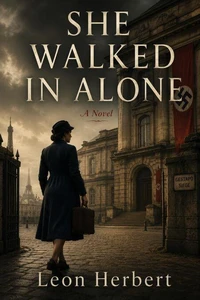
She Walked In Alone
E-book
3,49 €
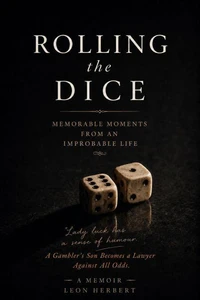
Rolling the Dice
E-book
3,49 €