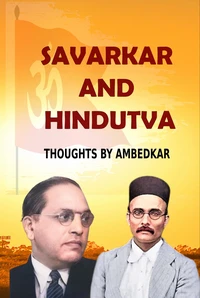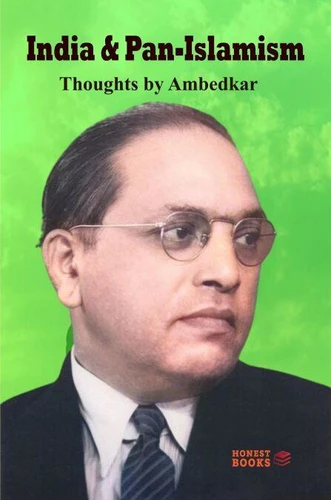



Bhimrao Ambedkar (1891-1956)
Founding Father, modern India
MA 1915, PhD 1927
LLD 1952 (hon.)
Ambedkar was a leader in the struggle for Indian independence, the architect of the new nation's constitution, and the champion of civil rights for the 60 million members of the "untouchable" caste, to which he belonged. He spoke and wrote ceaselessly on behalf of "untouchables, " but his passion for justice was broad: in 1950 he resigned from his position as the country's first minister of law when Nehru's cabinet refused to pass the Women's Rights Bill.
Ambedkar was committed to maintaining his independence, and many of the positions he staked out in a long and complex relationship with Gandhi-on the future of Hinduism, for example-remain central to debate within Indian society. Jagath Jayaprakash is an Academic Administrator by profession and an avid writer by intellectual pursuit. In addition, he publishes Op-Ed Articles on Political history, National security, Cyber warfare, and International relations in Malayalam and English for major media outlets like as Manorama Online, Janmabhumi, Indus Scrolls, Organiser, Kesari, and a host of other prominent news websites.
Ambedkar was committed to maintaining his independence, and many of the positions he staked out in a long and complex relationship with Gandhi-on the future of Hinduism, for example-remain central to debate within Indian society. Jagath Jayaprakash is an Academic Administrator by profession and an avid writer by intellectual pursuit. In addition, he publishes Op-Ed Articles on Political history, National security, Cyber warfare, and International relations in Malayalam and English for major media outlets like as Manorama Online, Janmabhumi, Indus Scrolls, Organiser, Kesari, and a host of other prominent news websites.