SOLDES
Jusqu'à -70% sur une sélection d'articles*
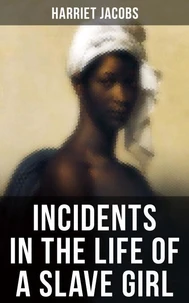
Incidents in the Life of a Slave Girl
Par :Formats :
Disponible dans votre compte client Decitre ou Furet du Nord dès validation de votre commande. Le format ePub est :
- Compatible avec une lecture sur My Vivlio (smartphone, tablette, ordinateur)
- Compatible avec une lecture sur liseuses Vivlio
- Pour les liseuses autres que Vivlio, vous devez utiliser le logiciel Adobe Digital Edition. Non compatible avec la lecture sur les liseuses Kindle, Remarkable et Sony
 , qui est-ce ?
Notre partenaire de plateforme de lecture numérique où vous retrouverez l'ensemble de vos ebooks gratuitement
Pour en savoir plus sur nos ebooks, consultez notre aide en ligne ici
C'est si simple ! Lisez votre ebook avec l'app Vivlio sur votre tablette, mobile ou ordinateur :

- Nombre de pages231
- FormatePub
- ISBN859-65--4739906-3
- EAN8596547399063
- Date de parution13/11/2022
- Protection num.Digital Watermarking
- Taille404 Ko
- Infos supplémentairesepub
- ÉditeurDIGICAT
Résumé
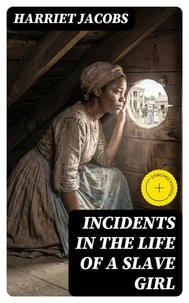
In "Incidents in the Life of a Slave Girl, " Harriet Jacobs presents a profound firsthand account of the harrowing experiences of enslaved women in the American South. Written in the form of a memoir, Jacobs employs an eloquent yet poignant literary style, blending autobiographical narrative with a compelling call for abolition. The text illuminates the unique struggles faced by female slaves, particularly the sexual exploitation and moral dilemmas that arose from their circumstances.
Positioned within the broader context of 19th-century American literature and abolitionism, Jacobs's work serves as both a testament to resilience and a striking indictment of the institution of slavery. Harriet Jacobs, writing under the pseudonym Linda Brent, was born into slavery in 1813 and became an activist for abolition and women's rights. Her personal experiences of manipulation and hardship, coupled with the relentless pursuit of autonomy for herself and her children, uniquely prepared her to address the intersection of gender and race in her work.
Her deep understanding of the societal constraints faced by enslaved women shaped her narrative, making it an emotive exploration of freedom, motherhood, and dignity. This essential text is highly recommended for scholars and general readers alike, as it not only captures the plight of enslaved women but also challenges the norms of its time. Jacobs's courageous voice remains a vital contribution to discussions on race, gender, and civil rights in America, offering valuable insights that resonate even today.
Positioned within the broader context of 19th-century American literature and abolitionism, Jacobs's work serves as both a testament to resilience and a striking indictment of the institution of slavery. Harriet Jacobs, writing under the pseudonym Linda Brent, was born into slavery in 1813 and became an activist for abolition and women's rights. Her personal experiences of manipulation and hardship, coupled with the relentless pursuit of autonomy for herself and her children, uniquely prepared her to address the intersection of gender and race in her work.
Her deep understanding of the societal constraints faced by enslaved women shaped her narrative, making it an emotive exploration of freedom, motherhood, and dignity. This essential text is highly recommended for scholars and general readers alike, as it not only captures the plight of enslaved women but also challenges the norms of its time. Jacobs's courageous voice remains a vital contribution to discussions on race, gender, and civil rights in America, offering valuable insights that resonate even today.
A propos de Harriet Jacobs



2,99 €