SOLDES
Jusqu'à -70% sur une sélection d'articles*

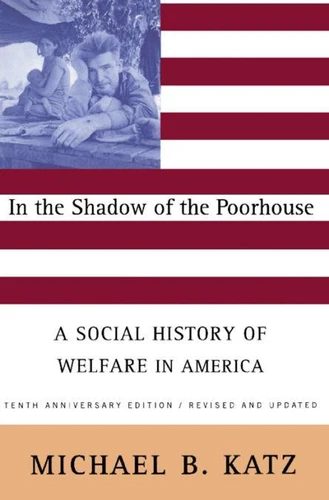
In the Shadow Of the Poorhouse (Tenth Anniversary Edition). A Social History Of Welfare In America
Par :Formats :
Disponible dans votre compte client Decitre ou Furet du Nord dès validation de votre commande. Le format ePub protégé est :
- Compatible avec une lecture sur My Vivlio (smartphone, tablette, ordinateur)
- Compatible avec une lecture sur liseuses Vivlio
- Pour les liseuses autres que Vivlio, vous devez utiliser le logiciel Adobe Digital Edition. Non compatible avec la lecture sur les liseuses Kindle, Remarkable et Sony
- Non compatible avec un achat hors France métropolitaine
 , qui est-ce ?
Notre partenaire de plateforme de lecture numérique où vous retrouverez l'ensemble de vos ebooks gratuitement
Pour en savoir plus sur nos ebooks, consultez notre aide en ligne ici
C'est si simple ! Lisez votre ebook avec l'app Vivlio sur votre tablette, mobile ou ordinateur :

- Nombre de pages410
- FormatePub
- ISBN0-465-02452-1
- EAN9780465024520
- Date de parution10/12/1996
- Protection num.Adobe DRM
- Infos supplémentairesepub
- ÉditeurBasic Books
Résumé
With welfare reform a burning political issue, this special anniversary edition of the classic history of welfare in America has been revised and updated to include the latest bipartisan debates on how to "end welfare as we know it."In the Shadow of the Poorhouse examines the origins of social welfare, both public and private, from the days of the colonial poorhouse through the current tragedy of the homeless.
The book explains why such a highly criticized system persists. Katz explores the relationship between welfare and municipal reform; the role of welfare capitalism, eugenics, and social insurance in the reorganization of the labor market; the critical connection between poverty and politics in the rise of the New Deal welfare state; and how the War on Poverty of the '60s became the war on welfare of the '80s.
The book explains why such a highly criticized system persists. Katz explores the relationship between welfare and municipal reform; the role of welfare capitalism, eugenics, and social insurance in the reorganization of the labor market; the critical connection between poverty and politics in the rise of the New Deal welfare state; and how the War on Poverty of the '60s became the war on welfare of the '80s.