SOLDES
Jusqu'à -70% sur une sélection d'articles*

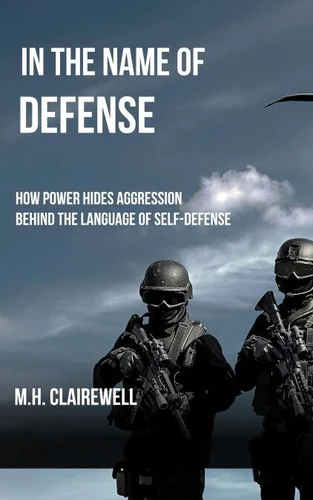
In the Name of Defense
Par :Formats :
Disponible dans votre compte client Decitre ou Furet du Nord dès validation de votre commande. Le format ePub protégé est :
- Compatible avec une lecture sur My Vivlio (smartphone, tablette, ordinateur)
- Compatible avec une lecture sur liseuses Vivlio
- Pour les liseuses autres que Vivlio, vous devez utiliser le logiciel Adobe Digital Edition. Non compatible avec la lecture sur les liseuses Kindle, Remarkable et Sony
- Non compatible avec un achat hors France métropolitaine
 , qui est-ce ?
Notre partenaire de plateforme de lecture numérique où vous retrouverez l'ensemble de vos ebooks gratuitement
Pour en savoir plus sur nos ebooks, consultez notre aide en ligne ici
C'est si simple ! Lisez votre ebook avec l'app Vivlio sur votre tablette, mobile ou ordinateur :

- FormatePub
- ISBN8233874512
- EAN9798233874512
- Date de parution21/03/2026
- Protection num.Adobe DRM
- Infos supplémentairesepub
- ÉditeurLinda Balsamo
Résumé
What happens when governments call war "defense"?In In the Name of Defense, M. H. Clairewell examines one of the most powerful words in political life and one of the most dangerous. The book argues that "defense" does more than describe a lawful response to attack. It can also compress time, shift moral burden, and turn contested choices into apparent necessity. Drawing on public records, legal materials, official statements, declassified documents, and major historical episodes, Clairewell shows how states and institutions frame force as protection, duty, rescue, or reluctant necessity.
From the Gulf of Tonkin and Korea to 1914, Nazi Germany, Afghanistan, Iraq, Libya, Ukraine, and Gaza, the book traces how the language of defense can clarify real danger, but can also be stretched to justify escalation, blur legal categories, and hide aggression behind fear, alliance pressure, and moral language. This is not a cynical claim that every appeal to self-defense is false. It is a sharper and more unsettling argument.
Because self-defense is sometimes real, it is also politically useful. That is what makes the word so effective and so difficult to police. Clear, rigorous, and deeply grounded in historical and legal analysis, In the Name of Defense gives readers a disciplined framework for testing official justifications for war. It asks the questions that matter most. What actually happened. What was known at the time.
Which legal category is really in play. And when does a defensive claim stop describing danger and start laundering power. For readers of history, international law, foreign policy, and political analysis, this book is a guide to one of the central rhetorical strategies of modern war
From the Gulf of Tonkin and Korea to 1914, Nazi Germany, Afghanistan, Iraq, Libya, Ukraine, and Gaza, the book traces how the language of defense can clarify real danger, but can also be stretched to justify escalation, blur legal categories, and hide aggression behind fear, alliance pressure, and moral language. This is not a cynical claim that every appeal to self-defense is false. It is a sharper and more unsettling argument.
Because self-defense is sometimes real, it is also politically useful. That is what makes the word so effective and so difficult to police. Clear, rigorous, and deeply grounded in historical and legal analysis, In the Name of Defense gives readers a disciplined framework for testing official justifications for war. It asks the questions that matter most. What actually happened. What was known at the time.
Which legal category is really in play. And when does a defensive claim stop describing danger and start laundering power. For readers of history, international law, foreign policy, and political analysis, this book is a guide to one of the central rhetorical strategies of modern war
A propos de M.H. Clairewell










10,49 €