
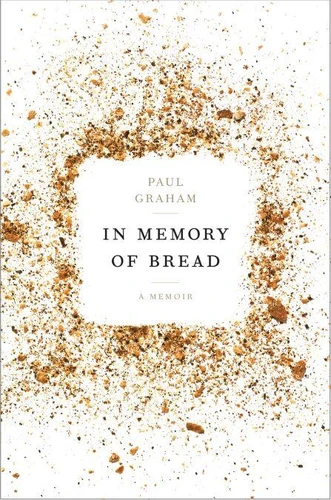
In Memory of Bread. A Memoir
Par :Formats :
Disponible dans votre compte client Decitre ou Furet du Nord dès validation de votre commande. Le format ePub protégé est :
- Compatible avec une lecture sur My Vivlio (smartphone, tablette, ordinateur)
- Compatible avec une lecture sur liseuses Vivlio
- Pour les liseuses autres que Vivlio, vous devez utiliser le logiciel Adobe Digital Edition. Non compatible avec la lecture sur les liseuses Kindle, Remarkable et Sony
- Non compatible avec un achat hors France métropolitaine
 , qui est-ce ?
Notre partenaire de plateforme de lecture numérique où vous retrouverez l'ensemble de vos ebooks gratuitement
Pour en savoir plus sur nos ebooks, consultez notre aide en ligne ici
C'est si simple ! Lisez votre ebook avec l'app Vivlio sur votre tablette, mobile ou ordinateur :

- Nombre de pages272
- FormatePub
- ISBN978-0-8041-8688-9
- EAN9780804186889
- Date de parution07/06/2016
- Protection num.Adobe DRM
- Taille5 Mo
- Infos supplémentairesepub
- ÉditeurClarkson Potter
Résumé
The funny, poignant memoir of one man's struggle to come to terms with his celiac diagnosis, forcing him to reexamine his relationship with food. When Paul Graham was suddenly diagnosed with celiac disease at the age of thirty-six, he was forced to say goodbye to traditional pasta, pizza, sandwiches, and more. Gone, too, were some of his favorite hobbies, including brewing beer with a buddy and gorging on his wife's homemade breads.
Struggling to understand why he and so many others had become allergic to wheat, barley, rye, oats, and other dietary staples, Graham researched the production of modern wheat and learned that not only has the grain been altered from ancestral varieties but it's also commonly added to thousands of processed foods. In writing that is effortless and engaging, Paul explores why incidence of the disease is on the rise while also grappling with an identity crisis-given that all his favorite pastimes involved wheat in some form.
His honest, unflinching, and at times humorous journey towards health and acceptance makes an inspiring read.
Struggling to understand why he and so many others had become allergic to wheat, barley, rye, oats, and other dietary staples, Graham researched the production of modern wheat and learned that not only has the grain been altered from ancestral varieties but it's also commonly added to thousands of processed foods. In writing that is effortless and engaging, Paul explores why incidence of the disease is on the rise while also grappling with an identity crisis-given that all his favorite pastimes involved wheat in some form.
His honest, unflinching, and at times humorous journey towards health and acceptance makes an inspiring read.