SOLDES
Jusqu'à -70% sur une sélection d'articles*

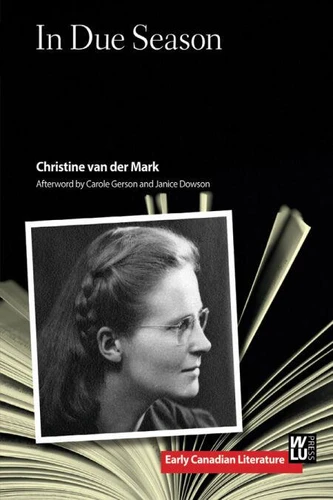
In Due Season
Par : , ,Formats :
Disponible dans votre compte client Decitre ou Furet du Nord dès validation de votre commande. Le format ePub est :
- Compatible avec une lecture sur My Vivlio (smartphone, tablette, ordinateur)
- Compatible avec une lecture sur liseuses Vivlio
- Pour les liseuses autres que Vivlio, vous devez utiliser le logiciel Adobe Digital Edition. Non compatible avec la lecture sur les liseuses Kindle, Remarkable et Sony
 , qui est-ce ?
Notre partenaire de plateforme de lecture numérique où vous retrouverez l'ensemble de vos ebooks gratuitement
Pour en savoir plus sur nos ebooks, consultez notre aide en ligne ici
C'est si simple ! Lisez votre ebook avec l'app Vivlio sur votre tablette, mobile ou ordinateur :

- Nombre de pages375
- FormatePub
- ISBN978-1-77112-073-9
- EAN9781771120739
- Date de parution28/05/2016
- Protection num.Digital Watermarking
- Taille1 Mo
- Infos supplémentairesepub
- ÉditeurWilfrid Laurier University Press
Résumé
First published in 1947, In Due Season broke new ground with its fictional representation of women and of Indigenous people. Set during the dustbowl 1930s, this tersely narrated prize-winning novel follows Lina Ashley, a determined solo female homesteader who takes her family from drought-ridden southern Alberta to a new life in the Peace River region. Here her daughter Poppy grows up in a community characterized by harmonious interactions between the local Métis and newly arrived European settlers.
Still, there is tension between mother and daughter when Poppy becomes involved with a Métis lover. This novel expands the patriarchal canon of Canadian prairie fiction by depicting the agency of a successful female settler and, as noted by Dorothy Livesay, was "one of the first, if not the first Canadian novel wherein the plight of the Native Indian and the Métis is honestly and painfully recorded." The afterword by Carole Gerson and Janice Dowson provides substantial information about author Christine van der Mark and situates her under-acknowledged book within the contexts of Canadian social, literary, and publishing history.
Still, there is tension between mother and daughter when Poppy becomes involved with a Métis lover. This novel expands the patriarchal canon of Canadian prairie fiction by depicting the agency of a successful female settler and, as noted by Dorothy Livesay, was "one of the first, if not the first Canadian novel wherein the plight of the Native Indian and the Métis is honestly and painfully recorded." The afterword by Carole Gerson and Janice Dowson provides substantial information about author Christine van der Mark and situates her under-acknowledged book within the contexts of Canadian social, literary, and publishing history.