SOLDES
Jusqu'à -70% sur une sélection d'articles*

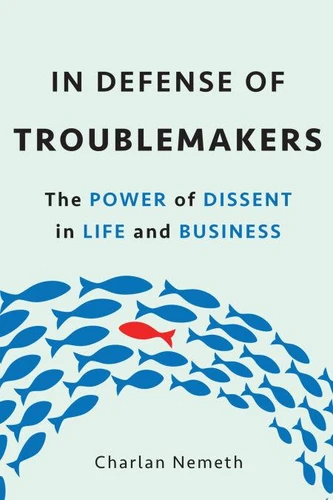
In Defense of Troublemakers. The Power of Dissent in Life and Business
Par :Formats :
Disponible dans votre compte client Decitre ou Furet du Nord dès validation de votre commande. Le format ePub protégé est :
- Compatible avec une lecture sur My Vivlio (smartphone, tablette, ordinateur)
- Compatible avec une lecture sur liseuses Vivlio
- Pour les liseuses autres que Vivlio, vous devez utiliser le logiciel Adobe Digital Edition. Non compatible avec la lecture sur les liseuses Kindle, Remarkable et Sony
- Non compatible avec un achat hors France métropolitaine
 , qui est-ce ?
Notre partenaire de plateforme de lecture numérique où vous retrouverez l'ensemble de vos ebooks gratuitement
Pour en savoir plus sur nos ebooks, consultez notre aide en ligne ici
C'est si simple ! Lisez votre ebook avec l'app Vivlio sur votre tablette, mobile ou ordinateur :

- Nombre de pages272
- FormatePub
- ISBN978-0-465-09630-5
- EAN9780465096305
- Date de parution19/03/2018
- Protection num.Adobe DRM
- Infos supplémentairesepub
- ÉditeurBasic Books
Résumé
An eminent psychologist explains why dissent should be cherished, not feared We've decided by consensus that consensus is good. In In Defense of Troublemakers, psychologist Charlan Nemeth argues that this principle is completely wrong: left unchallenged, the majority opinion is often biased, unoriginal, or false. It leads planes and markets to crash, causes juries to convict innocent people, and can quite literally make people think blue is green.
In the name of comity, we embrace stupidity. We can make better decisions by embracing dissent. Dissent forces us to question the status quo, consider more information, and engage in creative decision-making. From Twelve Angry Men to Edward Snowden, lone objectors who make people question their assumptions bring groups far closer to truth -- regardless of whether they are right or wrong. Essential reading for anyone who works in groups, In Defense of Troublemakers will radically change the way you think, listen, and make decisions.
In the name of comity, we embrace stupidity. We can make better decisions by embracing dissent. Dissent forces us to question the status quo, consider more information, and engage in creative decision-making. From Twelve Angry Men to Edward Snowden, lone objectors who make people question their assumptions bring groups far closer to truth -- regardless of whether they are right or wrong. Essential reading for anyone who works in groups, In Defense of Troublemakers will radically change the way you think, listen, and make decisions.