SOLDES
Jusqu'à -70% sur une sélection d'articles*

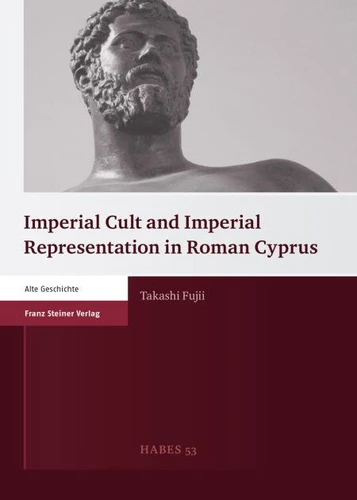
Imperial Cult and Imperial Representation in Roman Cyprus
Par :Formats :
Disponible dans votre compte client Decitre ou Furet du Nord dès validation de votre commande. Le format PDF est :
- Compatible avec une lecture sur My Vivlio (smartphone, tablette, ordinateur)
- Compatible avec une lecture sur liseuses Vivlio
- Pour les liseuses autres que Vivlio, vous devez utiliser le logiciel Adobe Digital Edition. Non compatible avec la lecture sur les liseuses Kindle, Remarkable et Sony
 , qui est-ce ?
Notre partenaire de plateforme de lecture numérique où vous retrouverez l'ensemble de vos ebooks gratuitement
Pour en savoir plus sur nos ebooks, consultez notre aide en ligne ici
C'est si simple ! Lisez votre ebook avec l'app Vivlio sur votre tablette, mobile ou ordinateur :

- Nombre de pages248
- FormatPDF
- ISBN978-3-515-10369-5
- EAN9783515103695
- Date de parution07/11/2013
- Protection num.Digital Watermarking
- Taille2 Mo
- Infos supplémentairespdf
- ÉditeurFranz Steiner
Résumé
Cyprus, the third largest island in the Mediterranean, came under Roman domination during the late Republican Civil War. Due to its position outside of the political and strategic centres of the Empire, Roman Cyprus was something of a terra incognita among ancient historians. This e-book investigates communication between this "quiescent" province and the Roman emperor through the exploration of fascinating epigraphic evidence concerning the imperial cult and imperial representation on the island (dedications, statues, oaths, priests, calendars etc.).
The central themes of the e-book are the religious status of the emperor embedded in the Cypriot religious milieu, political relationships between Cyprus and the Empire and their influences on the imperial cult performed on the island, and the part played by imperial representation in the life cycle of the Cypriots. The appendix catalogues the relevant inscriptions, with translations and other related information.
The central themes of the e-book are the religious status of the emperor embedded in the Cypriot religious milieu, political relationships between Cyprus and the Empire and their influences on the imperial cult performed on the island, and the part played by imperial representation in the life cycle of the Cypriots. The appendix catalogues the relevant inscriptions, with translations and other related information.