SOLDES
Jusqu'à -70% sur une sélection d'articles*

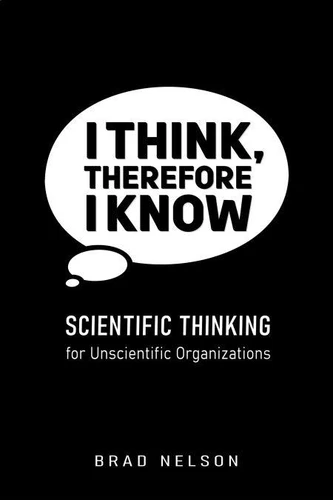
I Think, Therefore I Know
Par :Formats :
Disponible dans votre compte client Decitre ou Furet du Nord dès validation de votre commande. Le format ePub est :
- Compatible avec une lecture sur My Vivlio (smartphone, tablette, ordinateur)
- Compatible avec une lecture sur liseuses Vivlio
- Pour les liseuses autres que Vivlio, vous devez utiliser le logiciel Adobe Digital Edition. Non compatible avec la lecture sur les liseuses Kindle, Remarkable et Sony
 , qui est-ce ?
Notre partenaire de plateforme de lecture numérique où vous retrouverez l'ensemble de vos ebooks gratuitement
Pour en savoir plus sur nos ebooks, consultez notre aide en ligne ici
C'est si simple ! Lisez votre ebook avec l'app Vivlio sur votre tablette, mobile ou ordinateur :

- FormatePub
- ISBN8994532119
- EAN9798994532119
- Date de parution14/04/2026
- Protection num.pas de protection
- Infos supplémentairesepub
- ÉditeurBrad Nelson
Résumé
Companies spend billions installing frameworks into operating systems that were never designed to run them. The language changes. The behavior doesn't. Ever been told to be "data driven?"for a decision already made. Sat in a meeting about having too many meetings?and scheduled another. Been given a strategy that can't fail?because no one defined success. Those aren't bugs. They're features of a system doing exactly what it was designed to do.
I Think, Therefore I Know isn't another playbook. It diagnoses why organizations resist the changes they claim to want-and what's actually required to stop repeating the cycle. Drawing on neuroscience, economics, manufacturing history, and two decades of experience across factory floors, software teams, and corporate boardrooms, Brad Nelson traces how incentive structures, measurement dysfunction, and unchecked growth produce organizations that optimize for activity over value-then punish the people who notice.
Inside, you'll explore: Why roughly 80% of software features go unused-and what that reveals about how organizations actually decide what to build How shareholder primacy reshaped corporate behavior-and why the system's own logic struggles to justify its own outcomes The biological effects of stress on cognition and performance-and why "work harder" is often the least effective leadership strategy What companies like Toyota and Costco-and leaders like Alan Mulally at Ford-understood about systems that most organizations still miss A practical confidence framework for matching validation effort to the real uncertainty and risk behind a decision Why copying "best practices" fails-and how effective organizations adapt principles instead of imitating tactics This is not a book about what organizations should do.
It's a clear-eyed examination of what they actually do-and the gap between the two. Written for leaders, practitioners, and anyone who has watched smart people build the wrong things for the right-sounding reasons."Belief doesn't lead to change. Behavior does."
I Think, Therefore I Know isn't another playbook. It diagnoses why organizations resist the changes they claim to want-and what's actually required to stop repeating the cycle. Drawing on neuroscience, economics, manufacturing history, and two decades of experience across factory floors, software teams, and corporate boardrooms, Brad Nelson traces how incentive structures, measurement dysfunction, and unchecked growth produce organizations that optimize for activity over value-then punish the people who notice.
Inside, you'll explore: Why roughly 80% of software features go unused-and what that reveals about how organizations actually decide what to build How shareholder primacy reshaped corporate behavior-and why the system's own logic struggles to justify its own outcomes The biological effects of stress on cognition and performance-and why "work harder" is often the least effective leadership strategy What companies like Toyota and Costco-and leaders like Alan Mulally at Ford-understood about systems that most organizations still miss A practical confidence framework for matching validation effort to the real uncertainty and risk behind a decision Why copying "best practices" fails-and how effective organizations adapt principles instead of imitating tactics This is not a book about what organizations should do.
It's a clear-eyed examination of what they actually do-and the gap between the two. Written for leaders, practitioners, and anyone who has watched smart people build the wrong things for the right-sounding reasons."Belief doesn't lead to change. Behavior does."