
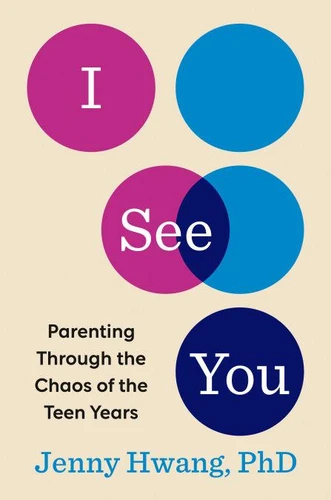
I See You. Parenting Through the Chaos of the Teen Years
Par :Formats :
Disponible dans votre compte client Decitre ou Furet du Nord dès validation de votre commande. Le format ePub protégé est :
- Compatible avec une lecture sur My Vivlio (smartphone, tablette, ordinateur)
- Compatible avec une lecture sur liseuses Vivlio
- Pour les liseuses autres que Vivlio, vous devez utiliser le logiciel Adobe Digital Edition. Non compatible avec la lecture sur les liseuses Kindle, Remarkable et Sony
- Non compatible avec un achat hors France métropolitaine
 , qui est-ce ?
Notre partenaire de plateforme de lecture numérique où vous retrouverez l'ensemble de vos ebooks gratuitement
Pour en savoir plus sur nos ebooks, consultez notre aide en ligne ici
C'est si simple ! Lisez votre ebook avec l'app Vivlio sur votre tablette, mobile ou ordinateur :

- Nombre de pages256
- Date de parution01/12/2026
- FormatePub
- ISBN978-0-593-99448-1
- EAN9780593994481
- Protection num.Adobe DRM
- Infos supplémentairesepub
- ÉditeurPenguin Life
Résumé
Dr. Hwang argues-via plainspoken, actionable advice-for revolutionizing how parents see disconnection with teens: Disconnection can be a doorway to fresh, unshakable new bonds between parent and child, not an impasse that must be eliminated. Dr. Jenny Hwang has worked with parents, teens, and young adults for more than twenty years and is a parent to a teen and a young adult herself. What she's learned for sure is that no matter the careful groundwork or diligent homework a parent has done, connection changes radically at adolescence-sometimes abruptly and almost always via miscommunication, hostility, and a stinging woundedness all around. But the push to the deeper, more mature connection that parents crave happens when we embrace the opportunity that disconnection can deliver.
In other words, when parents weather the teenager transition by setting aside expectations and assumptions to nurture a fresh relationship with the separate self the teen is becoming. Parents build this relationship when they champion the teen's pull for autonomy by having faith in them, by trusting in their ability to learn through failure, and by not micromanaging and nagging even though we know they might screw up. A crucial and surprising space opens when parents are able to take this kind of leap, slow down, and open their family dynamic anew: Usually we discover that our child's adolescence is stirring up old wounds and unhealed emotions in us.
By working on ourselves in that new space-instead of on our teen-we don't remove ourselves emotionally from our children's lives, but map new paths to bring our whole self into the picture as a vital resource and trusted confidant for our young adult. We can't just stifle our emotions and sacrifice our well-being in the name of family-most especially during the teen years. Parents need to work with the teens' motivations for autonomy to help their entire family unit grow into the next chapter of maturity.
In I See You, Dr. Hwang shows us the underlying behavioral psychology to support this refreshing, bold, empowering strategy, and brings us advice from the trenches on how to put these tactics into practice.
In other words, when parents weather the teenager transition by setting aside expectations and assumptions to nurture a fresh relationship with the separate self the teen is becoming. Parents build this relationship when they champion the teen's pull for autonomy by having faith in them, by trusting in their ability to learn through failure, and by not micromanaging and nagging even though we know they might screw up. A crucial and surprising space opens when parents are able to take this kind of leap, slow down, and open their family dynamic anew: Usually we discover that our child's adolescence is stirring up old wounds and unhealed emotions in us.
By working on ourselves in that new space-instead of on our teen-we don't remove ourselves emotionally from our children's lives, but map new paths to bring our whole self into the picture as a vital resource and trusted confidant for our young adult. We can't just stifle our emotions and sacrifice our well-being in the name of family-most especially during the teen years. Parents need to work with the teens' motivations for autonomy to help their entire family unit grow into the next chapter of maturity.
In I See You, Dr. Hwang shows us the underlying behavioral psychology to support this refreshing, bold, empowering strategy, and brings us advice from the trenches on how to put these tactics into practice.