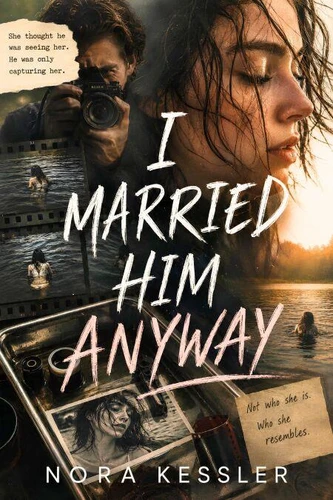
Everyone warned her. Her sister said it was fixation, not love. Her therapist asked what happens when the light is too bright. Her best friend said intense is a word people use when they don't want to say what they actually mean. She married him anyway. Tatum Zhao is a twenty-eight-year-old art critic living in Brooklyn when she meets Gage Holloway, a celebrated analog photographer whose haunting portraits of faceless women have earned him two Whitney Biennials and a Guggenheim fellowship.
His attention is intoxicating. He reads her obscure essays, memorizes her words, makes her feel visible for the first time in her life. Within four months, despite every warning, Tatum becomes his wife. But Gage Holloway does not love the way other men love. He loves the way a camera loves - with absolute precision and no understanding at all. Twelve years before they met, a young woman named Audrey walked into a lake and never came out.
Gage stood on the shore with a camera in his hands. He never put it down. Every woman since - every portrait, every obsessive study, every carefully framed life - has been an attempt to reconstruct the one he lost. And Tatum, with her dark auburn hair, her narrow face, her willingness to stand still and be seen, is the closest he has ever come. As the marriage settles into routine, the cracks begin to show.
Gage photographs Tatum constantly, filling his locked darkroom with images she has never seen. He controls the framing of their life together with the same obsessive precision he brings to his art. The line between devotion and surveillance dissolves so slowly that Tatum cannot identify the moment she crossed from loved to captured. Then one night, alone in his darkroom at two in the morning, Tatum finds the negatives.
Six frames. A woman in dark water. Four seconds between the first shot and the last. And in those four seconds - the most important four seconds of Gage Holloway's life - he adjusted the exposure. He watched a woman drown, and his first instinct was to get the photograph right. What follows is a story about dismantling a beautiful lie frame by frame. With the help of her fierce half-sister Margot and the evidence hidden in boxes sealed with yellowed packing tape, Tatum must confront the truth about the man she married - and the harder truth about the woman she became inside his viewfinder.
Told in dual perspectives - Tatum's urgent first person and Gage's chilling close third - I Married Him Anyway is a literary psychological thriller about obsession, control, and the violence of being loved by someone who only ever saw a photograph where a person should have been. Part domestic suspense, part dark love story, part slow-burn investigation into the difference between being seen and being captured.
Everyone warned her. Her sister said it was fixation, not love. Her therapist asked what happens when the light is too bright. Her best friend said intense is a word people use when they don't want to say what they actually mean. She married him anyway. Tatum Zhao is a twenty-eight-year-old art critic living in Brooklyn when she meets Gage Holloway, a celebrated analog photographer whose haunting portraits of faceless women have earned him two Whitney Biennials and a Guggenheim fellowship.
His attention is intoxicating. He reads her obscure essays, memorizes her words, makes her feel visible for the first time in her life. Within four months, despite every warning, Tatum becomes his wife. But Gage Holloway does not love the way other men love. He loves the way a camera loves - with absolute precision and no understanding at all. Twelve years before they met, a young woman named Audrey walked into a lake and never came out.
Gage stood on the shore with a camera in his hands. He never put it down. Every woman since - every portrait, every obsessive study, every carefully framed life - has been an attempt to reconstruct the one he lost. And Tatum, with her dark auburn hair, her narrow face, her willingness to stand still and be seen, is the closest he has ever come. As the marriage settles into routine, the cracks begin to show.
Gage photographs Tatum constantly, filling his locked darkroom with images she has never seen. He controls the framing of their life together with the same obsessive precision he brings to his art. The line between devotion and surveillance dissolves so slowly that Tatum cannot identify the moment she crossed from loved to captured. Then one night, alone in his darkroom at two in the morning, Tatum finds the negatives.
Six frames. A woman in dark water. Four seconds between the first shot and the last. And in those four seconds - the most important four seconds of Gage Holloway's life - he adjusted the exposure. He watched a woman drown, and his first instinct was to get the photograph right. What follows is a story about dismantling a beautiful lie frame by frame. With the help of her fierce half-sister Margot and the evidence hidden in boxes sealed with yellowed packing tape, Tatum must confront the truth about the man she married - and the harder truth about the woman she became inside his viewfinder.
Told in dual perspectives - Tatum's urgent first person and Gage's chilling close third - I Married Him Anyway is a literary psychological thriller about obsession, control, and the violence of being loved by someone who only ever saw a photograph where a person should have been. Part domestic suspense, part dark love story, part slow-burn investigation into the difference between being seen and being captured.

 , qui est-ce ?