
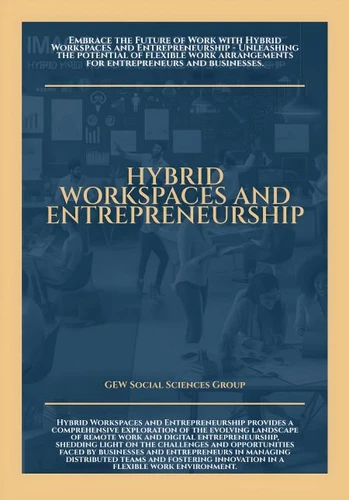
Hybrid Workspaces And Entrepreneurship
Par :Formats :
Disponible dans votre compte client Decitre ou Furet du Nord dès validation de votre commande. Le format ePub protégé est :
- Compatible avec une lecture sur My Vivlio (smartphone, tablette, ordinateur)
- Compatible avec une lecture sur liseuses Vivlio
- Pour les liseuses autres que Vivlio, vous devez utiliser le logiciel Adobe Digital Edition. Non compatible avec la lecture sur les liseuses Kindle, Remarkable et Sony
- Non compatible avec un achat hors France métropolitaine
 , qui est-ce ?
Notre partenaire de plateforme de lecture numérique où vous retrouverez l'ensemble de vos ebooks gratuitement
Pour en savoir plus sur nos ebooks, consultez notre aide en ligne ici
C'est si simple ! Lisez votre ebook avec l'app Vivlio sur votre tablette, mobile ou ordinateur :

- FormatePub
- ISBN8227115188
- EAN9798227115188
- Date de parution30/05/2024
- Protection num.Adobe DRM
- Infos supplémentairesepub
- ÉditeurBig Dog Books, LLC
Résumé
"Hybrid Workspaces And Entrepreneurship" explores the comprehensive transformations prompted by hybrid work environments, emphasizing technological advancements, leadership adaptation, employee well-being, and strategic recommendations to successfully navigate a post-pandemic work paradigm. The driving idea behind this book is the importance of adaptability and flexibility in hybrid work models. It explores the historical context, current trends, characteristics, and models of hybrid work environments, emphasizing the pivotal role of technological advancements and societal shifts.
The book underscores the need for resilient leadership, inclusive work cultures, and innovative strategies to navigate the complexities and opportunities of hybrid workspaces in the post-pandemic era. Key Takeaways Adoption of Hybrid Work Models: Emphasizes the shift towards hybrid work arrangements, integrating both remote and on-site work to enhance flexibility and efficiency. Technological Integration: Importance of leveraging advanced digital tools, AI, and automation to facilitate seamless collaboration, optimize operations, and drive innovation.
Effective Leadership and Management: Necessitates adaptive, empathetic leadership to foster trust, transparency, and cohesive teamwork in hybrid environments. Employee Well-being and Inclusivity: Prioritizes mental health, work-life balance, and inclusive policies to support diverse workforce needs and enhance overall productivity. Resilience and Agility: Highlights the significance of fostering a resilient workforce through continuous learning, adaptive strategies, and robust support systems.
Equitable Treatment and Policy Adaptation: Stresses the importance of fair access to resources, consistent policies, and tailored guidelines to manage hybrid work challenges effectively. Future Trends: Identifies emerging trends like virtual collaboration, AI integration, flexible work arrangements, and sustainable workplace design as pivotal for future work success.
The book underscores the need for resilient leadership, inclusive work cultures, and innovative strategies to navigate the complexities and opportunities of hybrid workspaces in the post-pandemic era. Key Takeaways Adoption of Hybrid Work Models: Emphasizes the shift towards hybrid work arrangements, integrating both remote and on-site work to enhance flexibility and efficiency. Technological Integration: Importance of leveraging advanced digital tools, AI, and automation to facilitate seamless collaboration, optimize operations, and drive innovation.
Effective Leadership and Management: Necessitates adaptive, empathetic leadership to foster trust, transparency, and cohesive teamwork in hybrid environments. Employee Well-being and Inclusivity: Prioritizes mental health, work-life balance, and inclusive policies to support diverse workforce needs and enhance overall productivity. Resilience and Agility: Highlights the significance of fostering a resilient workforce through continuous learning, adaptive strategies, and robust support systems.
Equitable Treatment and Policy Adaptation: Stresses the importance of fair access to resources, consistent policies, and tailored guidelines to manage hybrid work challenges effectively. Future Trends: Identifies emerging trends like virtual collaboration, AI integration, flexible work arrangements, and sustainable workplace design as pivotal for future work success.
A propos de GEW Social Sciences Group














28,49 €

14,99 €

16,99 €


16,49 €

16,99 €