SOLDES
Jusqu'à -70% sur une sélection d'articles*

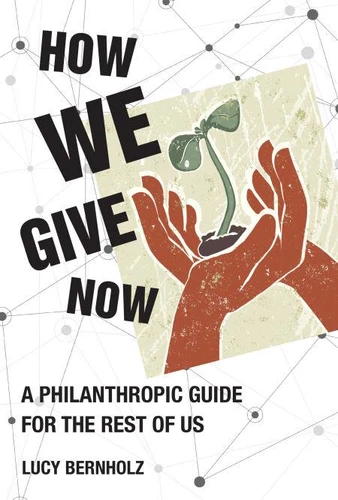
How We Give Now. A Philanthropic Guide for the Rest of Us
Par :Formats :
Disponible dans votre compte client Decitre ou Furet du Nord dès validation de votre commande. Le format ePub protégé est :
- Compatible avec une lecture sur My Vivlio (smartphone, tablette, ordinateur)
- Compatible avec une lecture sur liseuses Vivlio
- Pour les liseuses autres que Vivlio, vous devez utiliser le logiciel Adobe Digital Edition. Non compatible avec la lecture sur les liseuses Kindle, Remarkable et Sony
- Non compatible avec un achat hors France métropolitaine
 , qui est-ce ?
Notre partenaire de plateforme de lecture numérique où vous retrouverez l'ensemble de vos ebooks gratuitement
Pour en savoir plus sur nos ebooks, consultez notre aide en ligne ici
C'est si simple ! Lisez votre ebook avec l'app Vivlio sur votre tablette, mobile ou ordinateur :

- Nombre de pages240
- FormatePub
- ISBN978-0-262-36704-2
- EAN9780262367042
- Date de parution12/10/2021
- Protection num.Adobe DRM
- Taille583 Ko
- Infos supplémentairesepub
- ÉditeurThe MIT Press
Résumé
From Go Fund Me to philanthropy: the everyday ways that we can give our money, our time, and even our data to help our communities and seek justice. In How We Give Now, Lucy Bernholz shows that philanthropy is more than writing a check and claiming a tax deduction. For most of us--the non-wealthy givers--philanthropy can be a way of living our values and fully participating in society. We give in all kinds of ways--shopping at certain businesses, canvassing for candidates, donating money, and making conscious choices with our retirement funds.
We give our cash, our time, and even our data to make the world a better place. Bernholz takes readers on a tour of the often-overlooked worlds of participatory philanthropy, learning from a diverse group of forty resourceful givers. Donating our digitized personal data is an emerging form of philanthropy, and Bernholz describes safe, equitable, and effective ways of doing so--giving genetic data for medical research through a nonprofit genetics organization rather than a commercial one, for example, or contributing photographs to an online archive like the Densho Digital Repository, which documents America's internment of 120, 000 Americans of Japanese descent.
Bernholz tells us to "follow the money, " however, when we're asked to "add a dollar" to our total at the cash register, or when we buy a charity-branded product; it's more effective to give directly than to give while shopping. Giving is a form of participation. Philanthropy by the rest of us--across geographies and cultural traditions--begins with and builds on active commitment to our communities.
We give our cash, our time, and even our data to make the world a better place. Bernholz takes readers on a tour of the often-overlooked worlds of participatory philanthropy, learning from a diverse group of forty resourceful givers. Donating our digitized personal data is an emerging form of philanthropy, and Bernholz describes safe, equitable, and effective ways of doing so--giving genetic data for medical research through a nonprofit genetics organization rather than a commercial one, for example, or contributing photographs to an online archive like the Densho Digital Repository, which documents America's internment of 120, 000 Americans of Japanese descent.
Bernholz tells us to "follow the money, " however, when we're asked to "add a dollar" to our total at the cash register, or when we buy a charity-branded product; it's more effective to give directly than to give while shopping. Giving is a form of participation. Philanthropy by the rest of us--across geographies and cultural traditions--begins with and builds on active commitment to our communities.