SOLDES
Jusqu'à -70% sur une sélection d'articles*

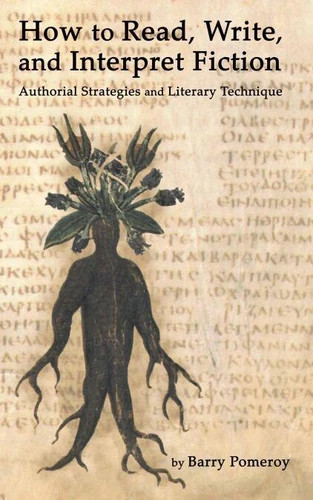
How to Read, Write, and Interpret Fiction: Authorial Strategies and Literary Technique
Par :Formats :
Disponible dans votre compte client Decitre ou Furet du Nord dès validation de votre commande. Le format ePub est :
- Compatible avec une lecture sur My Vivlio (smartphone, tablette, ordinateur)
- Compatible avec une lecture sur liseuses Vivlio
- Pour les liseuses autres que Vivlio, vous devez utiliser le logiciel Adobe Digital Edition. Non compatible avec la lecture sur les liseuses Kindle, Remarkable et Sony
 , qui est-ce ?
Notre partenaire de plateforme de lecture numérique où vous retrouverez l'ensemble de vos ebooks gratuitement
Pour en savoir plus sur nos ebooks, consultez notre aide en ligne ici
C'est si simple ! Lisez votre ebook avec l'app Vivlio sur votre tablette, mobile ou ordinateur :

- FormatePub
- ISBN978-1-987922-75-2
- EAN9781987922752
- Date de parution09/11/2019
- Protection num.pas de protection
- Infos supplémentairesepub
- ÉditeurBarry Pomeroy
Résumé
This guide is meant to assist the student of literature and the creative writer in their understanding of how literary techniques and narrative devices can inform a reader's interaction with text. Each writer, from experts in the craft-like the writers of the stories I use as examples-to the beginner who wants to exercise control over the story they are writing, choses from a series of techniques or strategies that permit or prevent certain stories from being told.
This study is an attempt to examine more closely the ways that literary techniques-such as use of narrator, the construction of character, narrative desire, the manipulation of narrative levels and narrative time, the evocation of cultural codes, as well as metafiction and magic realism-assist or frustrate the reader's attempt to understand the author's intentions. By making writerly readings of realist texts as well as symbolic, psychological, and speculative thought experiments from writers as diverse as Jorge Luis Borges, Bruno Schultz, Octavia Butler, Charlotte Perkins Gilman, Fritz Leiber, George R.
R. Martin, Gabriel García Márquez, Thomas King, and Kim Stanley Robinson, the implications of these choices can be more easily seen. The reader becomes privy to certain types of information depending on what strategy the writer has chosen, and that choice leads the writer to ever more circumscribed possibilities until the story has fulfilled its author's intention. Although knowledge of these techniques is typically demanded at the undergraduate level, and there are list-like guides which purport to define them, seeing them in their natural habitat gives the reader a much better sense of what the technique or strategy offers to the author.
This analysis of the techniques used to create engaging stories should be useful for both students and writers who are interested in learning about the diversity of ways in which authors have confronted both narrative and structural questions in the stories they wish to tell. The short story-just to name one fictional form-seems endlessly flexible, but with an understanding of what a particular strategy allows, both the reader and the writer are better equipped to understand the text's messaging as well as how the chosen technique informs or inhibits its performance.
This study is an attempt to examine more closely the ways that literary techniques-such as use of narrator, the construction of character, narrative desire, the manipulation of narrative levels and narrative time, the evocation of cultural codes, as well as metafiction and magic realism-assist or frustrate the reader's attempt to understand the author's intentions. By making writerly readings of realist texts as well as symbolic, psychological, and speculative thought experiments from writers as diverse as Jorge Luis Borges, Bruno Schultz, Octavia Butler, Charlotte Perkins Gilman, Fritz Leiber, George R.
R. Martin, Gabriel García Márquez, Thomas King, and Kim Stanley Robinson, the implications of these choices can be more easily seen. The reader becomes privy to certain types of information depending on what strategy the writer has chosen, and that choice leads the writer to ever more circumscribed possibilities until the story has fulfilled its author's intention. Although knowledge of these techniques is typically demanded at the undergraduate level, and there are list-like guides which purport to define them, seeing them in their natural habitat gives the reader a much better sense of what the technique or strategy offers to the author.
This analysis of the techniques used to create engaging stories should be useful for both students and writers who are interested in learning about the diversity of ways in which authors have confronted both narrative and structural questions in the stories they wish to tell. The short story-just to name one fictional form-seems endlessly flexible, but with an understanding of what a particular strategy allows, both the reader and the writer are better equipped to understand the text's messaging as well as how the chosen technique informs or inhibits its performance.