SOLDES
Jusqu'à -70% sur une sélection d'articles*

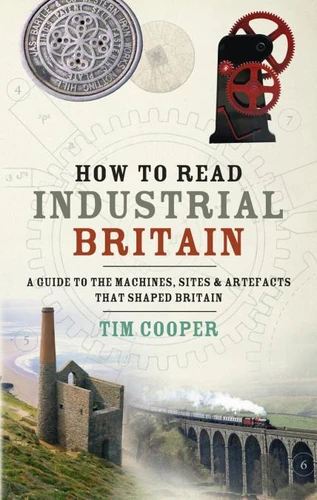
How to Read Industrial Britain
Par :Formats :
Disponible dans votre compte client Decitre ou Furet du Nord dès validation de votre commande. Le format ePub protégé est :
- Compatible avec une lecture sur My Vivlio (smartphone, tablette, ordinateur)
- Compatible avec une lecture sur liseuses Vivlio
- Pour les liseuses autres que Vivlio, vous devez utiliser le logiciel Adobe Digital Edition. Non compatible avec la lecture sur les liseuses Kindle, Remarkable et Sony
- Non compatible avec un achat hors France métropolitaine
 , qui est-ce ?
Notre partenaire de plateforme de lecture numérique où vous retrouverez l'ensemble de vos ebooks gratuitement
Pour en savoir plus sur nos ebooks, consultez notre aide en ligne ici
C'est si simple ! Lisez votre ebook avec l'app Vivlio sur votre tablette, mobile ou ordinateur :

- Nombre de pages208
- FormatePub
- ISBN978-1-4070-2741-8
- EAN9781407027418
- Date de parution19/08/2011
- Protection num.Adobe DRM
- Infos supplémentairesepub
- ÉditeurEbury Digital
Résumé
From steam engines and suspension bridges to canals, factories and pubs, the Industrial Revolution of the 18th and 19th centuries transformed the social and material landscape of Britain. Yet how many of us know why our local pub looks the way it does or why a railway station might resemble a cathedral? This book reveals how, by 'reading' buildings, structures and townscapes, we can understand their context and significance for the society that created them.
Author Tim Cooper uses themes including transport, education and religion to show how the geographical and architectural remains of industrial Britain have shaped us as a people. He sheds light on how and why the pioneers of the Industrial Revolution redesigned our towns and countryside, and draws on a wealth of British sites to explain, for instance, how canals were instrumental in the expansion of industry, or why affluent suburbs are usually situated in the west end of a town.
This book is a joy for anyone wanting to investigate our industrial heritage and discover the secret history behind familiar, everyday features of our urban and rural landscapes.
Author Tim Cooper uses themes including transport, education and religion to show how the geographical and architectural remains of industrial Britain have shaped us as a people. He sheds light on how and why the pioneers of the Industrial Revolution redesigned our towns and countryside, and draws on a wealth of British sites to explain, for instance, how canals were instrumental in the expansion of industry, or why affluent suburbs are usually situated in the west end of a town.
This book is a joy for anyone wanting to investigate our industrial heritage and discover the secret history behind familiar, everyday features of our urban and rural landscapes.