SOLDES
Jusqu'à -70% sur une sélection d'articles*

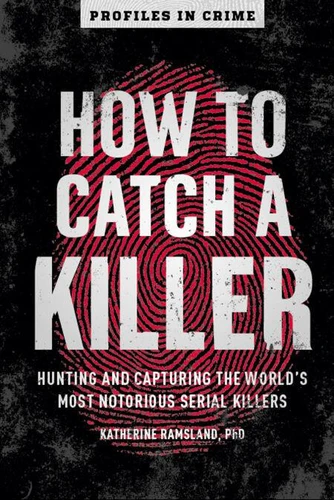
How to Catch a Killer. Hunting and Capturing the World's Most Notorious Serial Killers
Par :Formats :
Disponible dans votre compte client Decitre ou Furet du Nord dès validation de votre commande. Le format ePub protégé est :
- Compatible avec une lecture sur My Vivlio (smartphone, tablette, ordinateur)
- Compatible avec une lecture sur liseuses Vivlio
- Pour les liseuses autres que Vivlio, vous devez utiliser le logiciel Adobe Digital Edition. Non compatible avec la lecture sur les liseuses Kindle, Remarkable et Sony
- Non compatible avec un achat hors France métropolitaine
 , qui est-ce ?
Notre partenaire de plateforme de lecture numérique où vous retrouverez l'ensemble de vos ebooks gratuitement
Pour en savoir plus sur nos ebooks, consultez notre aide en ligne ici
C'est si simple ! Lisez votre ebook avec l'app Vivlio sur votre tablette, mobile ou ordinateur :

- Nombre de pages312
- FormatePub
- ISBN978-1-4549-3941-2
- EAN9781454939412
- Date de parution12/07/2021
- Protection num.Adobe DRM
- Infos supplémentairesepub
- ÉditeurUnion Square & Co.
Résumé
There are two parts to every crime story: how they did it and why they got caught. This book is about the second part, and how it changes the way we catch serial killers. No two stories about the capture of a serial killer are the same. Sometimes, the killers make crucial mistakes; other times, investigators get lucky. And the process of profiling, hunting, and apprehending these predators has changed radically over time, particularly in the field of criminal forensics, which has exploded in the last ten to 15 years.
Laser ablation, video spectral analysis, cyber-sleuthing, and even DNA-based genetic genealogy are now crucial tools in solving murders, including the recent capture of the so-called Golden State Killer. This book in the new Profiles in Crime series tells the history of forensics through the "capture stories" of some of the most notorious serial killers, going back almost a century. The killers include: Rodney Alcala, a serial rapist and murderer sometimes called "Dating Game killer" for his appearance on that TV show.
No one knows the exact number of his victims. Takahiro Shiraishi, the suicide killer from Zama, Japan, who dismembered nine victims and stored their bodies in his refrigerator. Aileen Wuornos, one of the rare female serial killers. She shot seven men in Florida and was turned in by an accomplice. Jeffrey Dahmer, the "Milwaukee Cannibal, " and Bobby Joe Long, both identified by survivors Ted Bundy and David Berkowitz ("Son of Sam"), who both made mistakes Ludwig Tessnow, who killed several children in Germany, and was caught through new methods in forensic investigation that could distinguish human from animal blood
Laser ablation, video spectral analysis, cyber-sleuthing, and even DNA-based genetic genealogy are now crucial tools in solving murders, including the recent capture of the so-called Golden State Killer. This book in the new Profiles in Crime series tells the history of forensics through the "capture stories" of some of the most notorious serial killers, going back almost a century. The killers include: Rodney Alcala, a serial rapist and murderer sometimes called "Dating Game killer" for his appearance on that TV show.
No one knows the exact number of his victims. Takahiro Shiraishi, the suicide killer from Zama, Japan, who dismembered nine victims and stored their bodies in his refrigerator. Aileen Wuornos, one of the rare female serial killers. She shot seven men in Florida and was turned in by an accomplice. Jeffrey Dahmer, the "Milwaukee Cannibal, " and Bobby Joe Long, both identified by survivors Ted Bundy and David Berkowitz ("Son of Sam"), who both made mistakes Ludwig Tessnow, who killed several children in Germany, and was caught through new methods in forensic investigation that could distinguish human from animal blood