SOLDES
Jusqu'à -70% sur une sélection d'articles*

Nouveauté
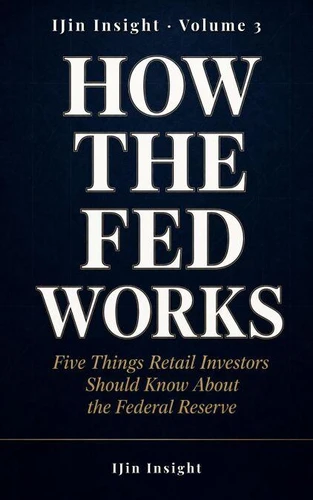
How the Fed Works. IJin Insight Short Reads, #3
Par :Formats :
Disponible dans votre compte client Decitre ou Furet du Nord dès validation de votre commande. Le format ePub est :
- Compatible avec une lecture sur My Vivlio (smartphone, tablette, ordinateur)
- Compatible avec une lecture sur liseuses Vivlio
- Pour les liseuses autres que Vivlio, vous devez utiliser le logiciel Adobe Digital Edition. Non compatible avec la lecture sur les liseuses Kindle, Remarkable et Sony
 , qui est-ce ?
Notre partenaire de plateforme de lecture numérique où vous retrouverez l'ensemble de vos ebooks gratuitement
Pour en savoir plus sur nos ebooks, consultez notre aide en ligne ici
C'est si simple ! Lisez votre ebook avec l'app Vivlio sur votre tablette, mobile ou ordinateur :

- FormatePub
- ISBN8235680951
- EAN9798235680951
- Date de parution06/07/2026
- Protection num.pas de protection
- Infos supplémentairesepub
- ÉditeurIoakim Ioakim
Résumé
Everyone has an opinion about the Federal Reserve. Almost no one can name a single person who casts the vote. The Fed sets the price of money for the whole economy - your mortgage, your savings, the worth of every dollar you hold - and most of what gets said about it skips the only question that matters: how does the decision actually get made?How the Fed Works walks the machine, part by part. The two jobs Congress handed it, and why they collide.
Who sits in the room, who votes, and who only argues. The dot plot, read for what it is - nineteen anonymous guesses, not a promise. The tools that work beneath the headline rate. And why the Fed can get trapped, holding two conflicting signals at once, where the conflict is the entire job. Written by a Korean nurse who watches American markets from across an ocean - close enough to feel them, far enough to see the shape of the whole front - this is not a book about where rates are going next.
It is about how that decision is made, so the headlines stop sounding like prophecy and start sounding like what they are. Because the Fed isn't magic. It's mechanism.
Who sits in the room, who votes, and who only argues. The dot plot, read for what it is - nineteen anonymous guesses, not a promise. The tools that work beneath the headline rate. And why the Fed can get trapped, holding two conflicting signals at once, where the conflict is the entire job. Written by a Korean nurse who watches American markets from across an ocean - close enough to feel them, far enough to see the shape of the whole front - this is not a book about where rates are going next.
It is about how that decision is made, so the headlines stop sounding like prophecy and start sounding like what they are. Because the Fed isn't magic. It's mechanism.
A propos de IJin Insight
2,99 €