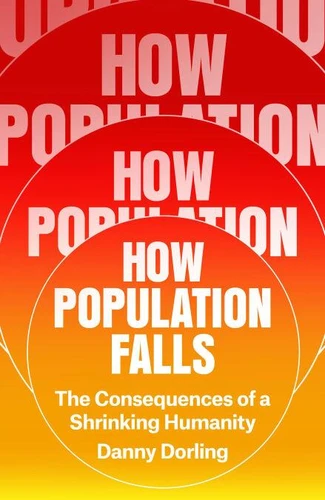
How Population Falls. The Consequences of a Shrinking Humanity
Par :Formats :
Disponible dans votre compte client Decitre ou Furet du Nord dès validation de votre commande. Le format ePub protégé est :
- Compatible avec une lecture sur My Vivlio (smartphone, tablette, ordinateur)
- Compatible avec une lecture sur liseuses Vivlio
- Pour les liseuses autres que Vivlio, vous devez utiliser le logiciel Adobe Digital Edition. Non compatible avec la lecture sur les liseuses Kindle, Remarkable et Sony
- Non compatible avec un achat hors France métropolitaine
 , qui est-ce ?
Notre partenaire de plateforme de lecture numérique où vous retrouverez l'ensemble de vos ebooks gratuitement
Pour en savoir plus sur nos ebooks, consultez notre aide en ligne ici
C'est si simple ! Lisez votre ebook avec l'app Vivlio sur votre tablette, mobile ou ordinateur :

- Nombre de pages304
- Date de parution26/01/2027
- FormatePub
- ISBN978-1-83674-113-8
- EAN9781836741138
- Protection num.Adobe DRM
- Infos supplémentairesepub
- ÉditeurVerso
Résumé
In the 2080s, global population numbers will start to drop for the first time: what is to be done? by leading geographer and author of The Next CrisisFor the first time in human history, the global population is predicted to peak in sixty years time and then decline permanently. This shift began in the 1960s when worldwide birth rates started falling, and over half the world's population now has fertility rates below replacement level.
Dorling argues that current demographic discussions are dominated by right-wing narratives that frame population decline as catastrophic. In contrast he argues this decline as potentially positive, especially given environmental constraints and the unsustainability of infinite growth. A shrinking population would challenge core assumptions about economic systems, housing markets, and growth-based economics.
How Population Falls begins by explaining where the fear of fewer people comes from and provides a progressive, optimistic framework for understanding demographic change in an era when such perspectives are largely absent from popular debate.
Dorling argues that current demographic discussions are dominated by right-wing narratives that frame population decline as catastrophic. In contrast he argues this decline as potentially positive, especially given environmental constraints and the unsustainability of infinite growth. A shrinking population would challenge core assumptions about economic systems, housing markets, and growth-based economics.
How Population Falls begins by explaining where the fear of fewer people comes from and provides a progressive, optimistic framework for understanding demographic change in an era when such perspectives are largely absent from popular debate.