SOLDES
Jusqu'à -70% sur une sélection d'articles*
How Music Can Save The World. How music can be used as a tool to solve the biggest challenges of our time
Par :Formats :
Disponible dans votre compte client Decitre ou Furet du Nord dès validation de votre commande. Le format ePub protégé est :
- Compatible avec une lecture sur My Vivlio (smartphone, tablette, ordinateur)
- Compatible avec une lecture sur liseuses Vivlio
- Pour les liseuses autres que Vivlio, vous devez utiliser le logiciel Adobe Digital Edition. Non compatible avec la lecture sur les liseuses Kindle, Remarkable et Sony
- Non compatible avec un achat hors France métropolitaine
 , qui est-ce ?
Notre partenaire de plateforme de lecture numérique où vous retrouverez l'ensemble de vos ebooks gratuitement
Pour en savoir plus sur nos ebooks, consultez notre aide en ligne ici
C'est si simple ! Lisez votre ebook avec l'app Vivlio sur votre tablette, mobile ou ordinateur :

- Nombre de pages272
- Date de parution09/02/2027
- FormatePub
- ISBN978-1-83681-048-3
- EAN9781836810483
- Protection num.Adobe DRM
- Infos supplémentairesepub
- ÉditeurDuncan Baird Publishers
Résumé
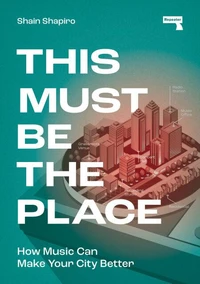
Solve the biggest challenges of our time through music with this groundbreaking guide by globally recognized thought leader in music, culture and urban policy Shain Shapiro. Can music save the world?After twenty years working with governments around the world, music thought leader Shain Shapiro come to a surprising conclusion: music isn't entertainment. It's infrastructure. Like roads or clean water, music quietly supports society every day.
We only notice its importance when something starts to fail. And today, two things are failing. The music we consume privately - "my music" songs, played through streaming services and in our headphones - does far more neurological, social and economic work than we recognise. Meanwhile the music we make together, "our music" - the choir, the jam session, the lullaby, the funeral song - is decaying and disappearing.
As shared musical experiences decline, so do the trust, connection and the shared practice of listening to one another that collective life depends on. How Music Can Save the World travels from Lagos and Bogotá to schools, care homes and communities across Europe, exploring what happens when we treat music as what it demonstrably is: one of humanity's most powerful forms of social infrastructure. The world has more music than ever, it is also, in the ways that matter, less musical.
This book is about why that matters and how we need to use music to address the biggest problems we face.
We only notice its importance when something starts to fail. And today, two things are failing. The music we consume privately - "my music" songs, played through streaming services and in our headphones - does far more neurological, social and economic work than we recognise. Meanwhile the music we make together, "our music" - the choir, the jam session, the lullaby, the funeral song - is decaying and disappearing.
As shared musical experiences decline, so do the trust, connection and the shared practice of listening to one another that collective life depends on. How Music Can Save the World travels from Lagos and Bogotá to schools, care homes and communities across Europe, exploring what happens when we treat music as what it demonstrably is: one of humanity's most powerful forms of social infrastructure. The world has more music than ever, it is also, in the ways that matter, less musical.
This book is about why that matters and how we need to use music to address the biggest problems we face.