SOLDES
Jusqu'à -70% sur une sélection d'articles*

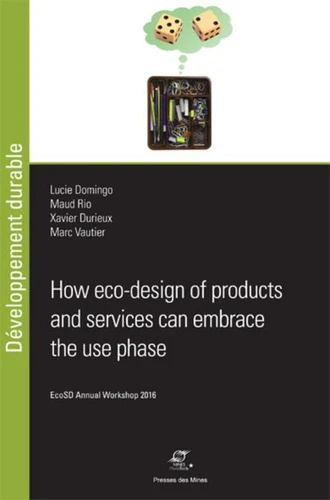
How eco-design of products and services can embrace the use phase. EcoSD Annual Workshop 2016
Par : , , ,Formats :
Disponible dans votre compte client Decitre ou Furet du Nord dès validation de votre commande. Le format PDF est :
- Compatible avec une lecture sur My Vivlio (smartphone, tablette, ordinateur)
- Compatible avec une lecture sur liseuses Vivlio
- Pour les liseuses autres que Vivlio, vous devez utiliser le logiciel Adobe Digital Edition. Non compatible avec la lecture sur les liseuses Kindle, Remarkable et Sony
 , qui est-ce ?
Notre partenaire de plateforme de lecture numérique où vous retrouverez l'ensemble de vos ebooks gratuitement
Pour en savoir plus sur nos ebooks, consultez notre aide en ligne ici
C'est si simple ! Lisez votre ebook avec l'app Vivlio sur votre tablette, mobile ou ordinateur :

- Nombre de pages122
- FormatPDF
- ISBN978-2-38542-211-0
- EAN9782385422110
- Date de parution06/02/2023
- Protection num.pas de protection
- Infos supplémentairespdf
- ÉditeurPresses des Mines - Transvalor
Résumé
The use phase is central to eco-design activities in all sectors. Various possibilities of eco-designing products are offered through usage consideration, matching different categories of products.
The in-use efficiency of high intensive energy-using products for instance is a deciding factor when eco-designing them. The European Commission recommends leading the global improvement of products' environmental footprint by reducing the impacts generated during use.
Energy efficiency also contributes to optimising autonomy for transportation systems (automotive in particular), or mobile mechatronics products, and usually benefits to the user. The use-phase integration is also critical to the planning of high maintenance operations and to the improvement of their environmental performance. For highly-technical products, from aircrafts to mundane products such as clothes, maintenance can be a major environmental burden.
Even for relatively passive products but with a long shelf-life, the use-phase integration plays an important role in measuring the effect of an extended lifespan in absorbing the environmental impacts over use time. Furniture, buildings, food, etc., all benefit from usage integration through the development of realistic use conditions for adequate dimensioning of shelf-life, and through proper communication to users. Around 70 researchers from industry, academia and governmental institutions participated in the 2016 workshop on how eco-design of products and services can embrace the use phase? and had the opportunity to exchange with experts. This book contains a synthesis of the main contributions presented during this workshop divided into two sections: good practices for use phase integration during the eco-design of products and services, and, the opportunities to challenge this integration.
Energy efficiency also contributes to optimising autonomy for transportation systems (automotive in particular), or mobile mechatronics products, and usually benefits to the user. The use-phase integration is also critical to the planning of high maintenance operations and to the improvement of their environmental performance. For highly-technical products, from aircrafts to mundane products such as clothes, maintenance can be a major environmental burden.
Even for relatively passive products but with a long shelf-life, the use-phase integration plays an important role in measuring the effect of an extended lifespan in absorbing the environmental impacts over use time. Furniture, buildings, food, etc., all benefit from usage integration through the development of realistic use conditions for adequate dimensioning of shelf-life, and through proper communication to users. Around 70 researchers from industry, academia and governmental institutions participated in the 2016 workshop on how eco-design of products and services can embrace the use phase? and had the opportunity to exchange with experts. This book contains a synthesis of the main contributions presented during this workshop divided into two sections: good practices for use phase integration during the eco-design of products and services, and, the opportunities to challenge this integration.