SOLDES
Jusqu'à -70% sur une sélection d'articles*

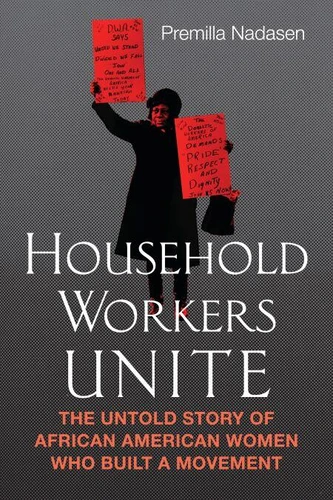
Household Workers Unite. The Untold Story of African American Women Who Built a Movement
Par :Formats :
Disponible dans votre compte client Decitre ou Furet du Nord dès validation de votre commande. Le format ePub protégé est :
- Compatible avec une lecture sur My Vivlio (smartphone, tablette, ordinateur)
- Compatible avec une lecture sur liseuses Vivlio
- Pour les liseuses autres que Vivlio, vous devez utiliser le logiciel Adobe Digital Edition. Non compatible avec la lecture sur les liseuses Kindle, Remarkable et Sony
- Non compatible avec un achat hors France métropolitaine
 , qui est-ce ?
Notre partenaire de plateforme de lecture numérique où vous retrouverez l'ensemble de vos ebooks gratuitement
Pour en savoir plus sur nos ebooks, consultez notre aide en ligne ici
C'est si simple ! Lisez votre ebook avec l'app Vivlio sur votre tablette, mobile ou ordinateur :

- Nombre de pages248
- FormatePub
- ISBN978-0-8070-1451-6
- EAN9780807014516
- Date de parution25/08/2015
- Protection num.Adobe DRM
- Taille1 Mo
- Infos supplémentairesepub
- ÉditeurBeacon Press
Résumé
Telling the stories of African American domestic workers, this book resurrects a little-known history of domestic worker activism in the 1960s and 1970s, offering new perspectives on race, labor, feminism, and organizing. In this groundbreaking history of African American domestic-worker organizing, scholar and activist Premilla Nadasen shatters countless myths and misconceptions about an historically misunderstood workforce.
Resurrecting a little-known history of domestic-worker activism from the 1950s to the 1970s, Nadasen shows how these women were a far cry from the stereotyped passive and powerless victims; they were innovative labor organizers who tirelessly organized on buses and streets across the United States to bring dignity and legal recognition to their occupation. Dismissed by mainstream labor as "unorganizable, " African American household workers developed unique strategies for social change and formed unprecedented alliances with activists in both the women's rights and the black freedom movements.
Using storytelling as a form of activism and as means of establishing a collective identity as workers, these women proudly declared, "We refuse to be your mammies, nannies, aunties, uncles, girls, handmaidens any longer."With compelling personal stories of the leaders and participants on the front lines, Household Workers Unite gives voice to the poor women of color whose dedicated struggle for higher wages, better working conditions, and respect on the job created a sustained political movement that endures today.
Winner of the 2016 Sara A. Whaley Book Prize
Resurrecting a little-known history of domestic-worker activism from the 1950s to the 1970s, Nadasen shows how these women were a far cry from the stereotyped passive and powerless victims; they were innovative labor organizers who tirelessly organized on buses and streets across the United States to bring dignity and legal recognition to their occupation. Dismissed by mainstream labor as "unorganizable, " African American household workers developed unique strategies for social change and formed unprecedented alliances with activists in both the women's rights and the black freedom movements.
Using storytelling as a form of activism and as means of establishing a collective identity as workers, these women proudly declared, "We refuse to be your mammies, nannies, aunties, uncles, girls, handmaidens any longer."With compelling personal stories of the leaders and participants on the front lines, Household Workers Unite gives voice to the poor women of color whose dedicated struggle for higher wages, better working conditions, and respect on the job created a sustained political movement that endures today.
Winner of the 2016 Sara A. Whaley Book Prize