SOLDES
Jusqu'à -70% sur une sélection d'articles*

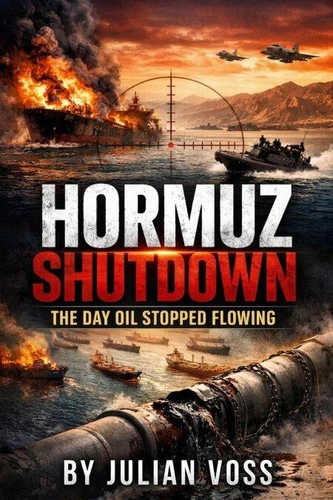
Hormuz Shutdown: The day oil stopped flowing
Par :Formats :
Disponible dans votre compte client Decitre ou Furet du Nord dès validation de votre commande. Le format ePub est :
- Compatible avec une lecture sur My Vivlio (smartphone, tablette, ordinateur)
- Compatible avec une lecture sur liseuses Vivlio
- Pour les liseuses autres que Vivlio, vous devez utiliser le logiciel Adobe Digital Edition. Non compatible avec la lecture sur les liseuses Kindle, Remarkable et Sony
 , qui est-ce ?
Notre partenaire de plateforme de lecture numérique où vous retrouverez l'ensemble de vos ebooks gratuitement
Pour en savoir plus sur nos ebooks, consultez notre aide en ligne ici
C'est si simple ! Lisez votre ebook avec l'app Vivlio sur votre tablette, mobile ou ordinateur :

- FormatePub
- ISBN8233869235
- EAN9798233869235
- Date de parution23/03/2026
- Protection num.pas de protection
- Infos supplémentairesepub
- ÉditeurLinda Balsamo
Résumé
What happens when the world's most important waterway closes?Every day, seventeen million barrels of oil pass through a twenty-one-mile strip of water between Iran and Oman. It powers factories, fills fuel tanks, and feeds billions through the fertilizers that grow their food. It is called the Strait of Hormuz, and almost nobody talks about it - until it's too late. Hormuz Shutdown is a fast-paced geopolitical breakdown of the crisis the world is not prepared for.
What would actually happen if Iran closed the Strait? Not in theory. Step by step, hour by hour, from the moment an oil tanker stops moving to the moment grocery prices spike in cities ten thousand miles away. This book covers the geography that gives Iran leverage no military can easily remove, the American naval presence that has kept the Strait open for decades and why it may not be enough, the insurance markets and shipping economics that can close a waterway without a single shot fired, the economic chain reaction that connects a Persian Gulf incident to food prices, inflation, and political instability worldwide, and the real historical close calls that most people never heard about.
This is not a textbook. There are no footnotes and no jargon. It is written for anyone who wants to understand how the global economy actually works, where its pressure points are, and what happens when one of them breaks. The oil has been flowing. It will not flow forever.
What would actually happen if Iran closed the Strait? Not in theory. Step by step, hour by hour, from the moment an oil tanker stops moving to the moment grocery prices spike in cities ten thousand miles away. This book covers the geography that gives Iran leverage no military can easily remove, the American naval presence that has kept the Strait open for decades and why it may not be enough, the insurance markets and shipping economics that can close a waterway without a single shot fired, the economic chain reaction that connects a Persian Gulf incident to food prices, inflation, and political instability worldwide, and the real historical close calls that most people never heard about.
This is not a textbook. There are no footnotes and no jargon. It is written for anyone who wants to understand how the global economy actually works, where its pressure points are, and what happens when one of them breaks. The oil has been flowing. It will not flow forever.