SOLDES
Jusqu'à -70% sur une sélection d'articles*

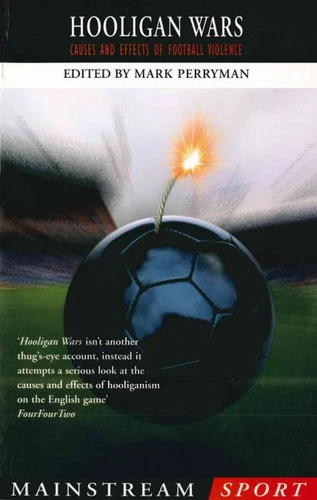
Hooligan Wars. Causes and Effects of Football Violence
Par :Formats :
Disponible dans votre compte client Decitre ou Furet du Nord dès validation de votre commande. Le format ePub protégé est :
- Compatible avec une lecture sur My Vivlio (smartphone, tablette, ordinateur)
- Compatible avec une lecture sur liseuses Vivlio
- Pour les liseuses autres que Vivlio, vous devez utiliser le logiciel Adobe Digital Edition. Non compatible avec la lecture sur les liseuses Kindle, Remarkable et Sony
- Non compatible avec un achat hors France métropolitaine
 , qui est-ce ?
Notre partenaire de plateforme de lecture numérique où vous retrouverez l'ensemble de vos ebooks gratuitement
Pour en savoir plus sur nos ebooks, consultez notre aide en ligne ici
C'est si simple ! Lisez votre ebook avec l'app Vivlio sur votre tablette, mobile ou ordinateur :

- Nombre de pages256
- FormatePub
- ISBN978-1-78057-813-2
- EAN9781780578132
- Date de parution22/03/2013
- Protection num.Adobe DRM
- Infos supplémentairesepub
- ÉditeurMainstream Digital
Résumé
The good, the bad, the beautiful game: a mix that few can explain and yet whenever football hooliganism breaks out, the government, the football authorities, the police and journalists are all too ready to offer quick-fix solutions - solutions that rarely consider the underlying causes of the violence. Is it about boys becoming men? Racism and the hatred of all things foreign? Or about a defence of territory and national pride? Hooligan Wars looks behind the easy answers by comparing England's fan culture to football supporters' experience in France, Germany and Holland.
The role of fascist groups is investigated. The effect of media coverage of hooliganism is analysed. And the impact of all-seater stadiums reviewed. A separate chapter considers the fans' experiences at the recent World Cup in South Korea and Japan. Rivalry with 'the other lot' and winding up those we love to put one over on will always be a big part of what it means to be a football fan. Is the connection between this and violence something that can never be broken? What would football be like free of hooliganism? In trying to rid the game of its ugly underbelly, are we in danger of softening too many of those rough edges that makes it so special? This is a book that takes risks by asking awkward questions.
Football violence is a self-fulfilling prophecy. It's time to break the spell.
The role of fascist groups is investigated. The effect of media coverage of hooliganism is analysed. And the impact of all-seater stadiums reviewed. A separate chapter considers the fans' experiences at the recent World Cup in South Korea and Japan. Rivalry with 'the other lot' and winding up those we love to put one over on will always be a big part of what it means to be a football fan. Is the connection between this and violence something that can never be broken? What would football be like free of hooliganism? In trying to rid the game of its ugly underbelly, are we in danger of softening too many of those rough edges that makes it so special? This is a book that takes risks by asking awkward questions.
Football violence is a self-fulfilling prophecy. It's time to break the spell.