SOLDES
Jusqu'à -70% sur une sélection d'articles*

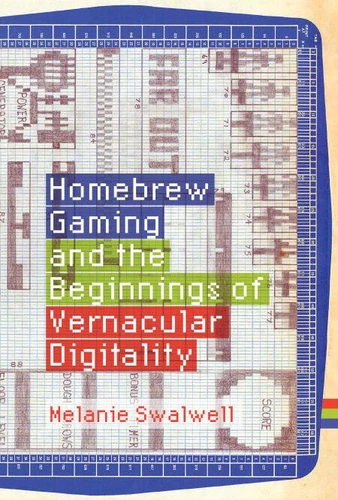
Homebrew Gaming and the Beginnings of Vernacular Digitality
Par :Formats :
Disponible dans votre compte client Decitre ou Furet du Nord dès validation de votre commande. Le format ePub protégé est :
- Compatible avec une lecture sur My Vivlio (smartphone, tablette, ordinateur)
- Compatible avec une lecture sur liseuses Vivlio
- Pour les liseuses autres que Vivlio, vous devez utiliser le logiciel Adobe Digital Edition. Non compatible avec la lecture sur les liseuses Kindle, Remarkable et Sony
- Non compatible avec un achat hors France métropolitaine
 , qui est-ce ?
Notre partenaire de plateforme de lecture numérique où vous retrouverez l'ensemble de vos ebooks gratuitement
Pour en savoir plus sur nos ebooks, consultez notre aide en ligne ici
C'est si simple ! Lisez votre ebook avec l'app Vivlio sur votre tablette, mobile ou ordinateur :

- Nombre de pages256
- FormatePub
- ISBN978-0-262-36560-4
- EAN9780262365604
- Date de parution17/08/2021
- Protection num.Adobe DRM
- Taille64 Mo
- Infos supplémentairesepub
- ÉditeurThe MIT Press
Résumé
The overlooked history of an early appropriation of digital technology: the creation of games though coding and hardware hacking by microcomputer users. From the late 1970s through the mid-1980s, low-end microcomputers offered many users their first taste of computing. A major use of these inexpensive 8-bit machines--including the TRS System 80s and the Sinclair, Atari, Microbee, and Commodore ranges--was the development of homebrew games.
Users with often self-taught programming skills devised the graphics, sound, and coding for their self-created games. In this book, Melanie Swalwell offers a history of this era of homebrew game development, arguing that it constitutes a significant instance of the early appropriation of digital computing technology. Drawing on interviews and extensive archival research on homebrew creators in 1980s Australia and New Zealand, Swalwell explores the creation of games on microcomputers as a particular mode of everyday engagement with new technology.
She discusses the public discourses surrounding microcomputers and programming by home coders; user practices; the development of game creators' ideas, with the game Donut Dilemma as a case study; the widely practiced art of hardware hacking; and the influence of 8-bit aesthetics and gameplay on the contemporary game industry. With Homebrew Gaming and the Beginnings of Vernacular Digitality, Swalwell reclaims a lost chapter in video game history, connecting it to the rich cultural and media theory around everyday life and to critical perspectives on user-generated content.
Users with often self-taught programming skills devised the graphics, sound, and coding for their self-created games. In this book, Melanie Swalwell offers a history of this era of homebrew game development, arguing that it constitutes a significant instance of the early appropriation of digital computing technology. Drawing on interviews and extensive archival research on homebrew creators in 1980s Australia and New Zealand, Swalwell explores the creation of games on microcomputers as a particular mode of everyday engagement with new technology.
She discusses the public discourses surrounding microcomputers and programming by home coders; user practices; the development of game creators' ideas, with the game Donut Dilemma as a case study; the widely practiced art of hardware hacking; and the influence of 8-bit aesthetics and gameplay on the contemporary game industry. With Homebrew Gaming and the Beginnings of Vernacular Digitality, Swalwell reclaims a lost chapter in video game history, connecting it to the rich cultural and media theory around everyday life and to critical perspectives on user-generated content.