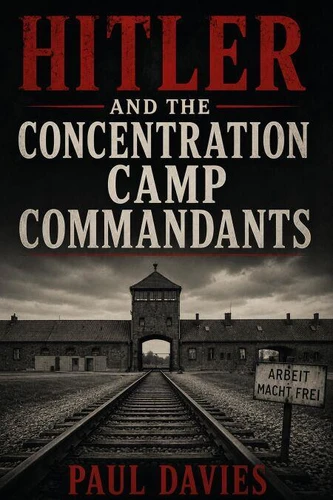
Hitler and the Concentration Camp CommandantsIn March 1933, a disused factory enclosed by barbed wire housed 223 prisoners in the town of Dachau. By the close of 1945, the SS concentration camp network had evolved into a vast realm of fear. Twenty-two major camps along with more than a thousand satellite camps across Germany and Europe formed the core of the Nazi strategy of oppression and intimidation.
The significance of these camps in both Nazi history and the contemporary world is undeniable. This book explores the infamous individuals who played key roles in one of the most significant crimes against humanity in world history. In many ways, these monsters appeared disturbingly normal. Rudolf Hoss, the Commandant of Auschwitz, was a family-oriented individual and a gracious host who oversaw a regime responsible for the deaths of over a million people.
Others, like Amon Goth and Josef Kramer, actively encouraged violence and terror, deriving satisfaction from increasingly brutal methods. They were eager to compete in achieving 'results'. While they adhered to orders from their superiors, they did not shy away from exercising their own initiative to fulfil their savage goals. Every occupied nation in Europe was affected by the 'Final Solution', and despite the capture, trials, and punishment of these principal offenders, the mark of humanity's cruelty towards man, woman, and child remains indelible.
Justice arrived too late for millions, yet the lessons learned must never be overlooked, and this book sheds new light on the architects of the horrific Holocaust process.
Hitler and the Concentration Camp CommandantsIn March 1933, a disused factory enclosed by barbed wire housed 223 prisoners in the town of Dachau. By the close of 1945, the SS concentration camp network had evolved into a vast realm of fear. Twenty-two major camps along with more than a thousand satellite camps across Germany and Europe formed the core of the Nazi strategy of oppression and intimidation.
The significance of these camps in both Nazi history and the contemporary world is undeniable. This book explores the infamous individuals who played key roles in one of the most significant crimes against humanity in world history. In many ways, these monsters appeared disturbingly normal. Rudolf Hoss, the Commandant of Auschwitz, was a family-oriented individual and a gracious host who oversaw a regime responsible for the deaths of over a million people.
Others, like Amon Goth and Josef Kramer, actively encouraged violence and terror, deriving satisfaction from increasingly brutal methods. They were eager to compete in achieving 'results'. While they adhered to orders from their superiors, they did not shy away from exercising their own initiative to fulfil their savage goals. Every occupied nation in Europe was affected by the 'Final Solution', and despite the capture, trials, and punishment of these principal offenders, the mark of humanity's cruelty towards man, woman, and child remains indelible.
Justice arrived too late for millions, yet the lessons learned must never be overlooked, and this book sheds new light on the architects of the horrific Holocaust process.

 , qui est-ce ?