SOLDES
Jusqu'à -70% sur une sélection d'articles*

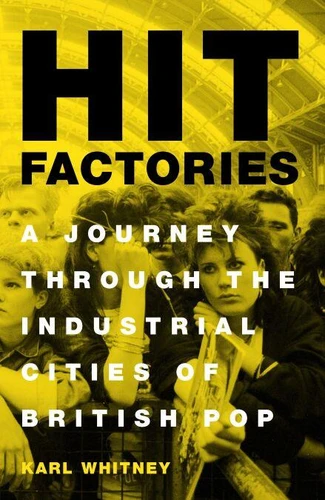
Hit Factories. A Journey Through the Industrial Cities of British Pop
Par :Formats :
Disponible dans votre compte client Decitre ou Furet du Nord dès validation de votre commande. Le format ePub protégé est :
- Compatible avec une lecture sur My Vivlio (smartphone, tablette, ordinateur)
- Compatible avec une lecture sur liseuses Vivlio
- Pour les liseuses autres que Vivlio, vous devez utiliser le logiciel Adobe Digital Edition. Non compatible avec la lecture sur les liseuses Kindle, Remarkable et Sony
- Non compatible avec un achat hors France métropolitaine
 , qui est-ce ?
Notre partenaire de plateforme de lecture numérique où vous retrouverez l'ensemble de vos ebooks gratuitement
Pour en savoir plus sur nos ebooks, consultez notre aide en ligne ici
C'est si simple ! Lisez votre ebook avec l'app Vivlio sur votre tablette, mobile ou ordinateur :

- Nombre de pages336
- FormatePub
- ISBN978-1-4746-0742-1
- EAN9781474607421
- Date de parution26/06/2019
- Protection num.Adobe DRM
- Infos supplémentairesepub
- ÉditeurWeidenfeld & Nicolson
Résumé
After discovering a derelict record plant on the edge of a northern English city, and hearing that it was once visited by David Bowie, Karl Whitney embarks upon a journey to explore the industrial cities of British pop music. Manchester, Liverpool, Newcastle, Leeds, Sheffield, Hull, Glasgow, Belfast, Birmingham, Coventry, Bristol: at various points in the past these cities have all had distinctive and highly identifiable sounds.
But how did this happen? What circumstances enabled those sounds to emerge? How did each particular city - its history, its physical form, its accent - influence its music? How were these cities and their music different from each other? And what did they have in common?Hit Factories tells the story of British pop through the cities that shaped it, tracking down the places where music was performed, recorded and sold, and the people - the performers, entrepreneurs, songwriters, producers and fans - who made it all happen.
From the venues and recording studios that occupied disused cinemas, churches and abandoned factories to the terraced houses and back rooms of pubs where bands first rehearsed, the terrain of British pop can be retraced with a map in hand and a head filled with music and its many myths.
But how did this happen? What circumstances enabled those sounds to emerge? How did each particular city - its history, its physical form, its accent - influence its music? How were these cities and their music different from each other? And what did they have in common?Hit Factories tells the story of British pop through the cities that shaped it, tracking down the places where music was performed, recorded and sold, and the people - the performers, entrepreneurs, songwriters, producers and fans - who made it all happen.
From the venues and recording studios that occupied disused cinemas, churches and abandoned factories to the terraced houses and back rooms of pubs where bands first rehearsed, the terrain of British pop can be retraced with a map in hand and a head filled with music and its many myths.